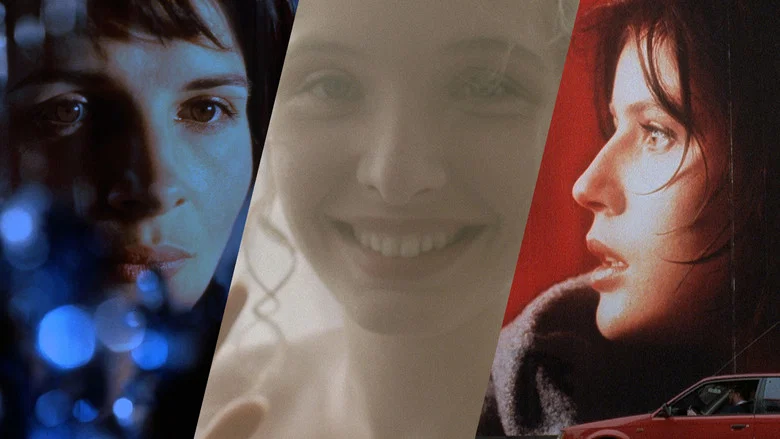
Liberty is the core of nature’s distinct spirit. If we exclude natural selection and other animal traits that mirror human behavior and limit natural freedom, elements like plants, oceans, rivers, and mountains possess their own inherent freeness—allowing them to live, die, and exist without constraint. However, when people dive into isolation and, to some extent, separate themselves from the societal norms they must obey to swim with the current, “pure” liberty mercilessly crushes whatever it encounters. The first film of the trilogy, Three Colors: Blue, perfectly showcases this state.
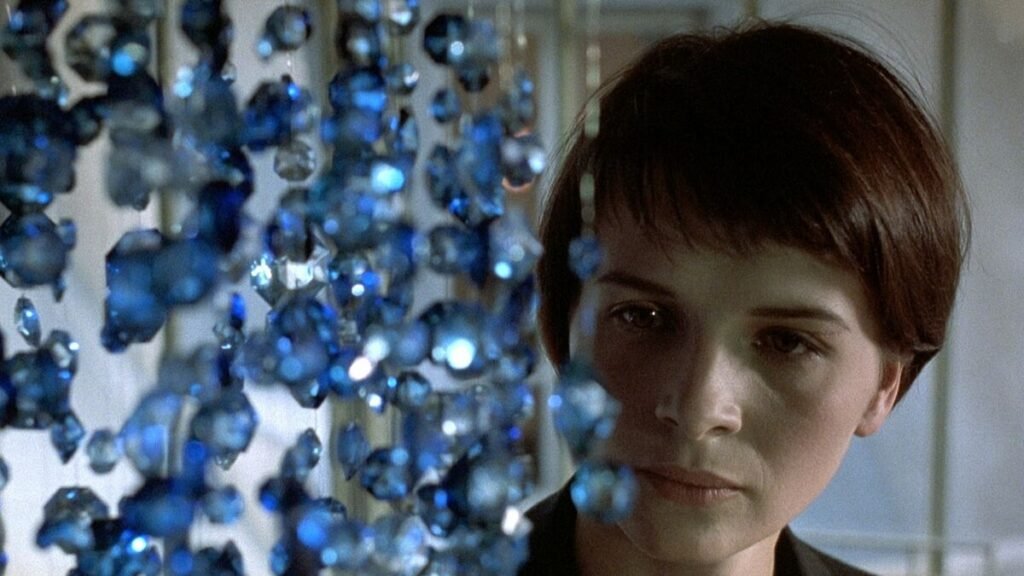
In the film, the color blue reflects the desperate actions of the protagonist, Julie, who is grieving the tragic deaths of her daughter and her prominent composer husband, Patrice, in a car accident. She insists on isolation, rejecting any new presence in her life. New friends, unfamiliar faces, and even a family of mice that has established in a storage room frighten her. However, her efforts to ignore the world cannot last forever. It may sound cliché, but no matter what happens, the world keeps turning. Julie learning of her late husband’s pregnant mistress, alongside her colleague Olivier’s constant work on Patrice’s unfinished score, whispers to her not to give up.
Equality, on the other hand, immediately obscures the idea of pure liberty or natural selection. While we initially shift our focus to a longing for equality—thinking, “Wait, we were all born equal…”—the reality that nothing in nature strives to be identical to anything else undermines this deep-seated yearning in the blink of an eye. However, equality can be shaped into vastly different molds by different minds. For some, it can be used as a foundational tool for revenge. And this is precisely what is depicted in the second film, Three Colors: White.
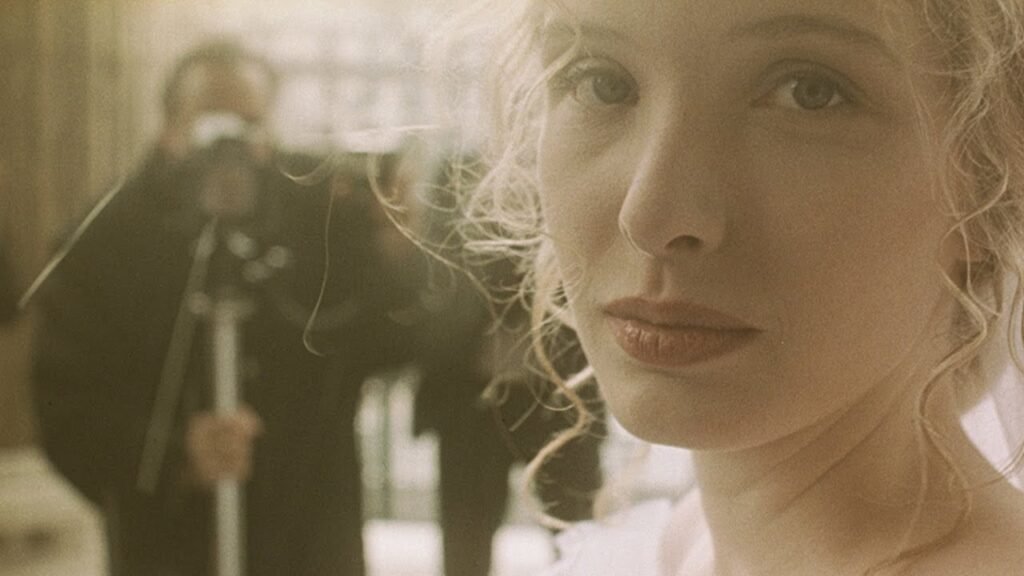
Differing from the first and last movies of the trilogy, White functions more as an engaging black comedy. It follows Karol, a Polish immigrant who finds himself without a marriage, a job, or a country after his French wife, Dominique, divorces him after six months due to his impotence. As a color, white symbolizes a blank slate; despite all the betrayals and disloyalties, it cleanses them with its purity. This is evident when Karol and Dominique finally express their twisted love for each other in a dark climax where mutual retribution is achieved and understood.
Fraternity, from my standpoint, is the combination of one’s life-long efforts, especially near the end, and the conscious choice to surrender oneself to the current of life, wherever it may drag you. The reason behind this surrender is the realization that friendships, relationships do not last forever, and at some point, you must allow yourself to be vulnerable to pain. It means allowing others to be imperfect and choosing mercy, even when it feels illogical or foolish. As you might predict, the final installment of the trilogy, Three Colors: Red, explores fraternity and ultimately gathers the protagonists of all three films together in a climatic shipwreck.

The final protagonist of the trilogy, Valentine, unexpectedly befriends a retired judge after she accidentally runs over his dog. Their complex, evolving bond begins with mutual animosity. The judge’s cynical detachment and unethical habit of wiretapping fall away as they build deep empathy for one another. Ultimately, the old man gives up trying to control everything, returning to life through the remembrance of his past. He understands that questions regarding the acts of human beings should be measured as perhaps peak of noncompliance, fully uncomprehensible consciousness. And for me, his understanding is wise eventual road to surrendering…
But How Does This Trilogy Function?
The answer is beautifully woven together by Krzysztof Kieślowski through a shared motif. In all three movies, we see an elderly person struggling to drop a glass bottle into a recycling bin.
Julie (Blue), completely detached and undecided about whether to reintegrate into life, doesn’t even notice the old woman, keeping her eyes closed in a state of absolute, isolated “Liberty.”
Karol (White), hyper-focused on gaining wealth to achieve his version of “Equality” through revenge, sees the struggling figure but merely offers a slightly mocking smile without helping.
Valentine (Red), in stark contrast, instantly runs to help the elderly woman without a second thought as the ultimate act of “Fraternity.”
In the end, the intersection of these three distinct lives occurs through a miracle. Much like the thematic core of Kieślowski’s other masterpiece, The Double Life of Véronique, the way parallel human fates converge, considering the fact that humans usually cannot be synchronized at all, reveals a beautifully strange absurdism that we simply cannot define.
To dear Krzysztof Kieślowski, who left us this treasure as a mirror to evaluate our own souls.
—Furqan
Leave a Reply