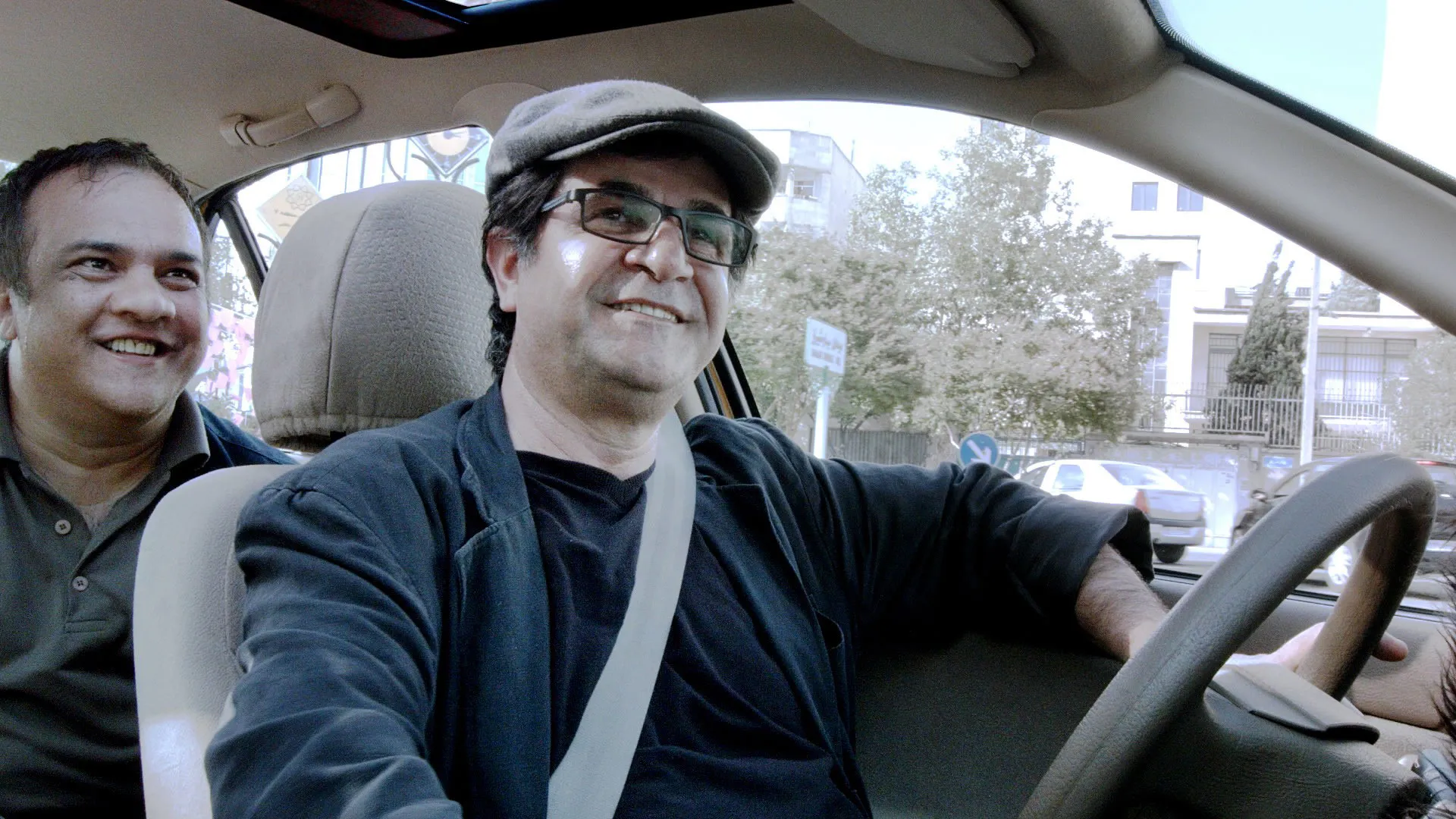
The camera! It is what makes a film holy. And our source of holiness—the camera—opens its eyes on the road, at a red light, where Tehranis cross the street. As passengers sit inside, an argument emerges between a man and a female teacher regarding whether capital punishment should be applied to pickpockets. While the teacher qualifies forgiving them, man opposites. Ironically, only at the end of the conversation, when the man gets out of the car, does he admit his occupation: he is a pickpocket…
In Taxi, a miracle of Iranian cinema—as we saw in Close-Up as well—the attempt to differentiate between pure reality and fiction creates infinite pleasure and interest in the audience’s mind. This kind of naive yet genius “direction” sometimes makes a viewer like me adore the movie so much that it forces me to put it on my list of the top four favorite films of all time. And I am not kidding; you can check it out on my Letterboxd account.
To be honest, since I am so high about this film and its genius creator right now, this will probably be one of my weakest articles ever… just as the longest letters always turn out to be the worst ones. However, I don’t mind. If I can convey my delight through my disconnected and deficient sentences even a little bit, lucky me! Please keep this nuance in mind while reading, and enjoy witnessing my excitement.
One thing dear Jafar Panahi does is suggest that we can all make a film out of anything we see; perhaps, for someone, it is going to be the best film of all time. He implies this first to a young film academy student and then to his own niece, a little schoolgirl who must make a “distributable” film according to the “Islamic laws” ruled by her teacher. He does not merely mention this theoretically but demonstrates it practically. As a consequence of this practical application, his niece, who is not yet fully aware of why she cannot make movies the way she wants in her country, will ultimately receive the Golden Bear Award in Berlin with tears in her eyes.
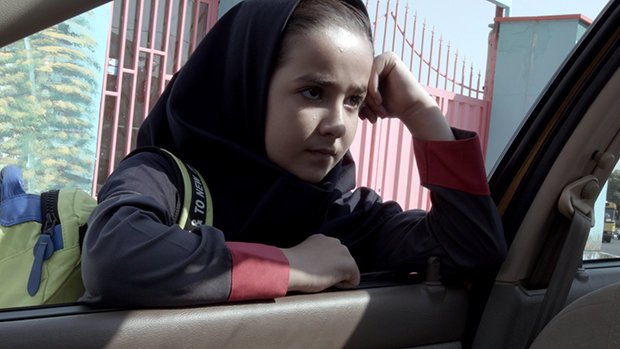
The credits for the fascinating, spontaneous, non-professional figures sitting in the car—which signify that Jafar Panahi is “not” directing them—brightly appear as white letters against a black background: “The Ministry of Islamic Guidance approves the credits of all distributable films. Despite my heartfelt wish, this film has no credits.” For me, this is the most iconic epilogue sentence ever used in a film… What a genius! Why do I exaggerate it so much? Because it represents an artistic experimentalism arising from limitations and obligations, with no intention of seeming different or weird, a popular stereotype about experimentalism.
Now, your question might be why I wrote “smiling” in the title. Because he does! He really smiles! For 81 minutes, in spite of everything, Panahi insists on smiling… Smiling at a dying man’s wish, at an illegal DVD seller’s instant pretense of cooperation, or at the simple issues of his niece… Because the future is bright! Despite all the injustice, all the massacres, and all the exploitation, the future is brighter than anything else. That dying man will recover, the illegal DVD seller will flatter himself for being recognized by Jafar Panahi, and his niece will be the one to raise the film’s award in front of millions.
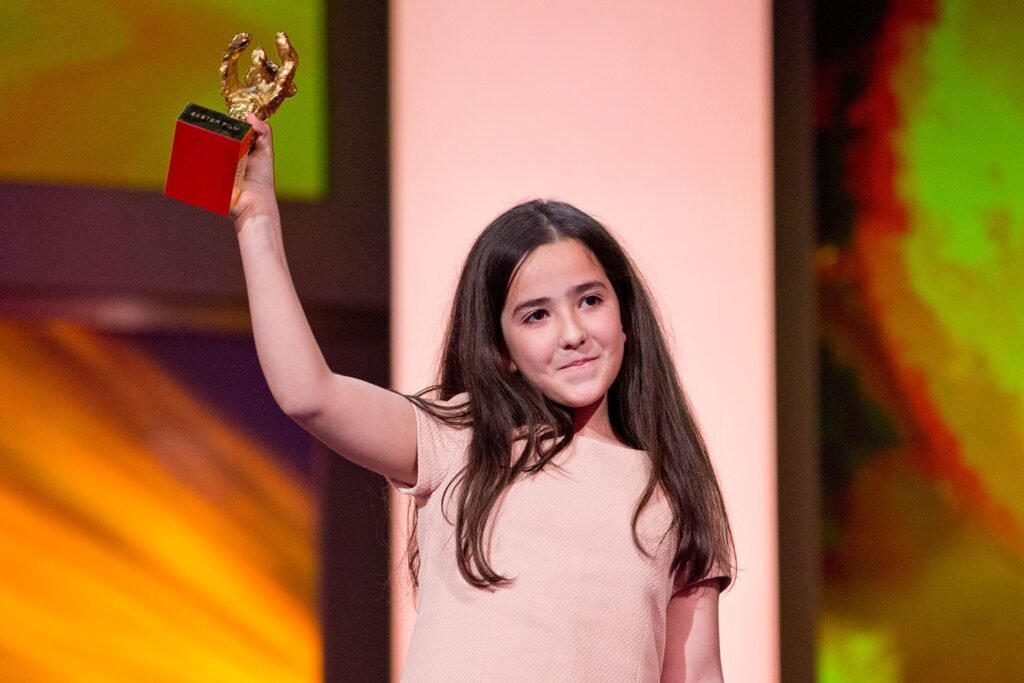
One day, there will be many more decent people who speak out for justice like dear Jafar Panahi. The reason why the “Bad” never beats the “Good,” despite all its brute force, is because the ambition of the “Bad” is merely to overpower the “Good”—it is incapable of thinking beyond that. However, the “Good” always finds much better reasons for permanence… The “Good” sees smiling children and the beauty they can create… The “Good” finds motivation in being able to save those children!
That is why, perhaps, even though it seems near, doomsday is still far away—considering the fact that some “Good” people still watch Jafar Panahi’s Taxi or It Was Just an Accident with absolute admiration!
Just recently, on June 7, 2026, the Tehran Revolutionary Court sentenced him to one year in prison, a two-year travel ban, and barred him from political and social groups. If you ask why, it is simply because he said, “I have only one passport. This is the passport of my country, and I wish to keep it… My country is where I can breathe, where I can find the reason to live, and where I can find the strength to create,” and he chose to return to his nest in March instead of waiting out in safer countries.
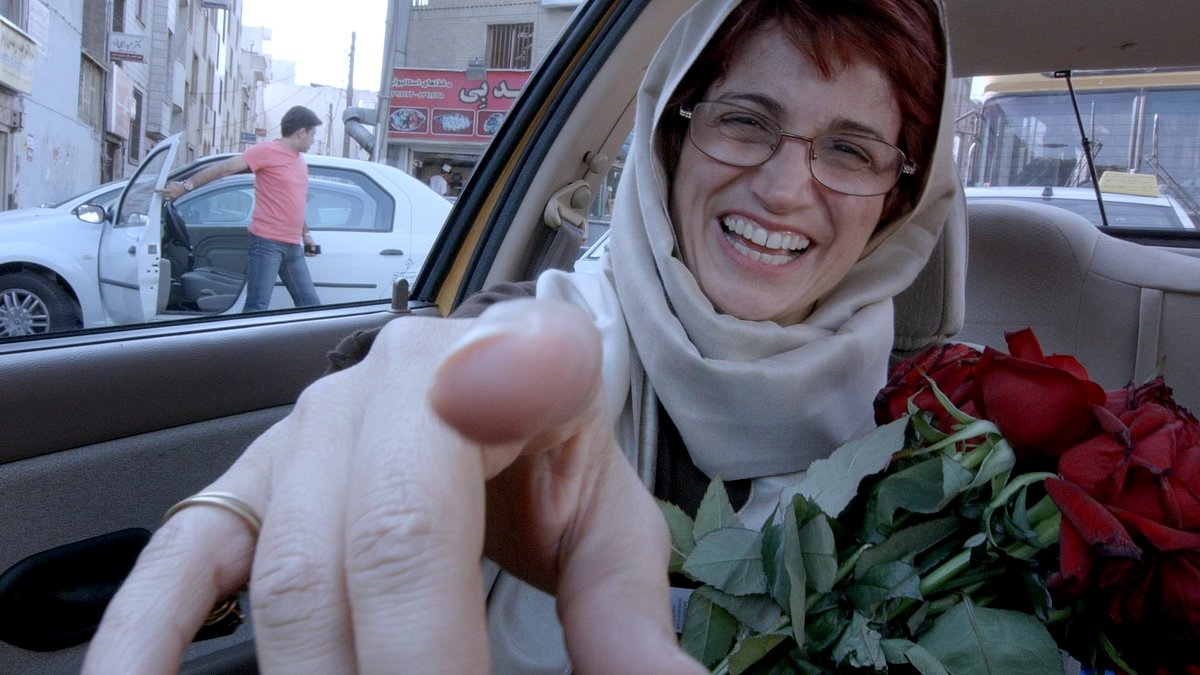
If an activist like Nasrin Sotoudeh, who has endured thousands of injustices and continues to endure them as a honorable woman in her country, hands a rose to all of us with her naive but wise smile, we should listen to her and never give up! Never let a rose down! Just as Jafar Panahi never did!
To Panahi Jan, who has always loved his country and people all around the world like a true cosmopolitan, just as his mentor Abbas Kiarostami did.
As you guys always say, kheyli mamnoon, kheyli mamnoon! Khodahafez aziz Panahi jan!
خیلی ممنون، خیلی ممنون! خداحافظ عزیز پناهی جان!
—Furqan

Leave a Reply