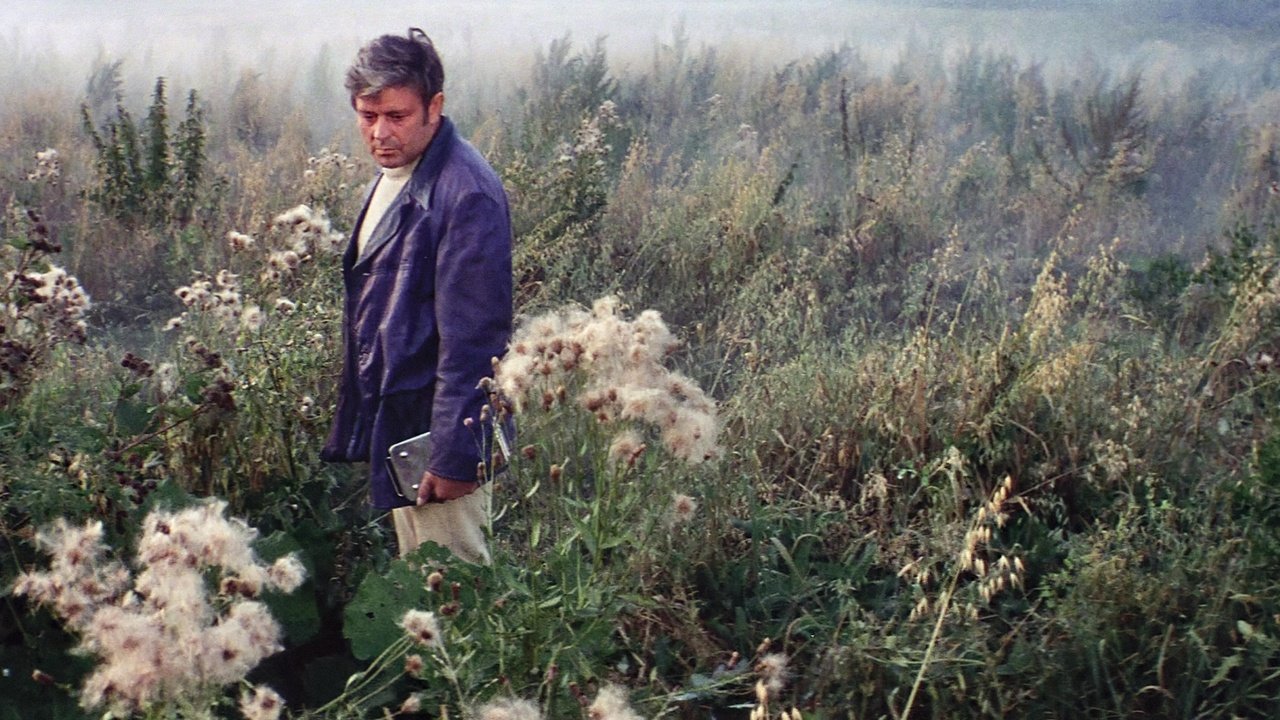
Just imagine that your country, which has not cared about you until now, suddenly provides you with all the best cameras and equipment for making a better sci-fi movie than the Americans because they have won the space race 2 times in a row with the movie 2001: A Space Odyssey by Stanley Kubrick in 1968 and of course, “Apollo 11” in 1969. Then imagine Stanisław Lem, the author of the book that you are going to adapt for the movie, refuses your work, calls it nothing more than a soap opera with emotional focus for six weeks in a row, and gives you the nickname “Idiot.” It is hard to imagine… isn’t it?
Probably no one would ever endure this kind of complex situation… but the man we are talking about is Tarkovsky. He understood that space itself was a reflection of the ambiguity in the human psyche, as can exactly be seen in the notes of “Ich ruf zu dir, Herr Jesu Christ BWV 639” by Bach as well. From my standpoint, this was his rationale for making the film in this way without caring about any criticism from the government or the people themselves for ages.
As a brief summary, we watch the journey of the character Kris Kelvin to the mysterious planet “Solaris,” where nightmares come true. Basically, water on this planet, which is the focal point of the movie, brings out profound memories in one’s mind. Due to this enigma, one of the doctors on the station has died and the others, Dr. Sartorius and Dr. Snaut, have developed serious mental problems. After a while, “Solaris” starts to penetrate Kris Kelvin’s sanity too. He starts to physically see his dead wife, Hari.
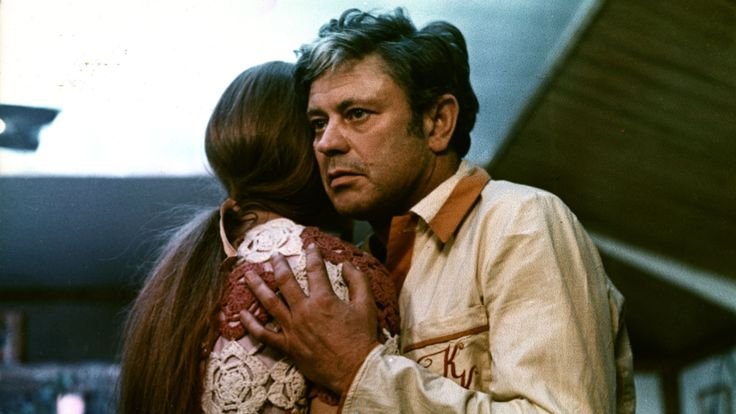
As he says, when Tarkovsky read the conversations between Kelvin and Hari in the book for the first time, it was certain in his mind that this movie must be in a form that Stanisław Lem would later call “Crime and Punishment” rather than sci-fi. In his semi-documentary film Voyage in Time (1983), Tarkovsky calls Solaris a bit disappointing. Even though it seems to many people to be constructed fully on emotional drama—which is criticized—he still didn’t find it to be enough of an emotional artwork, saying: “When I make sci-fi movies, I don’t think of them as science fiction. For instance, I find the movie Solaris not so good because I could not escape from the genre, from the fantastic details. In Stalker (1979), however—the movie that was made based on a science fiction story—I think I’ve managed to overcome the genre and get rid of all ‘sci-fi’ signs completely. This gives me great pleasure. Because for me, cinema is an art that can cover everything: tragedy, happiness, sadness, fun, fortune…”
Well, I reckon that you probably understood all the perspectives that Tarkovsky’s creation encountered. Now, it is time for what I want to inoculate into your blood regarding the movie…
First of all, if only three people exist in his Stalker, hundreds in The Sacrifice, and the whole of humanity sleeps in The Mirror, then in Solaris, there are none. Solaris makes us watch one scene that, for me, shows the entire complex nature of mankind at once: everyone on the station—namely Kelvin, the doctors, and Hari—gathers together for dinner. As usual, while Dr. Snaut tries to relax everyone, Dr. Sartorius puts forth all his nihilist maxims woefully, and Kelvin and Hari watch them in silence with pale faces. Then, when bewilderment reaches its peak, the force of gravity disappears out of the blue. We see nothing but two lovers floating together between candles and books. Simultaneously, “Ich ruf zu dir, Herr Jesu Christ BWV 639” plays and the camera slowly glides to the painting The Hunters in the Snow by Pieter Bruegel. We see a 16th-century painting of villagers who pass along paths without ever encountering the sky, without knowing if there is anything beyond that sky, and without even caring about it. On the other hand, a man right next to that painting—metaphorically the possessor of all the sciences—has someone on his lap who is physically known but a mental stranger…
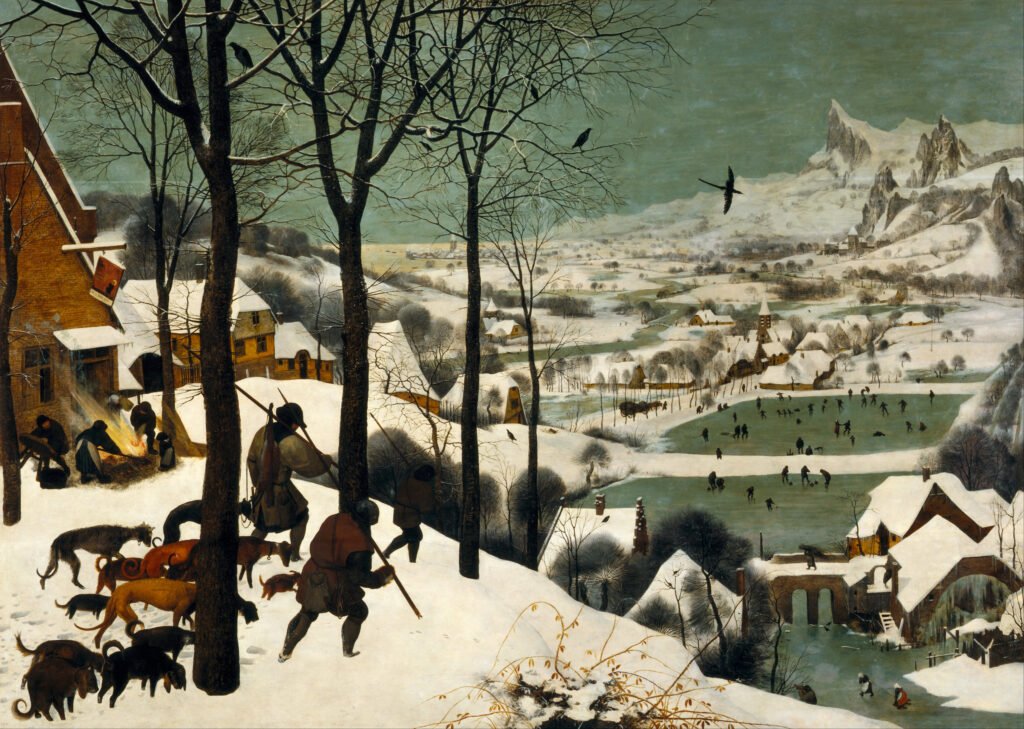
Pieter Bruegel the Elder – The Hunters in the Snow (1565)
Epilogue for real experimentalists like me and Tarkovsky:
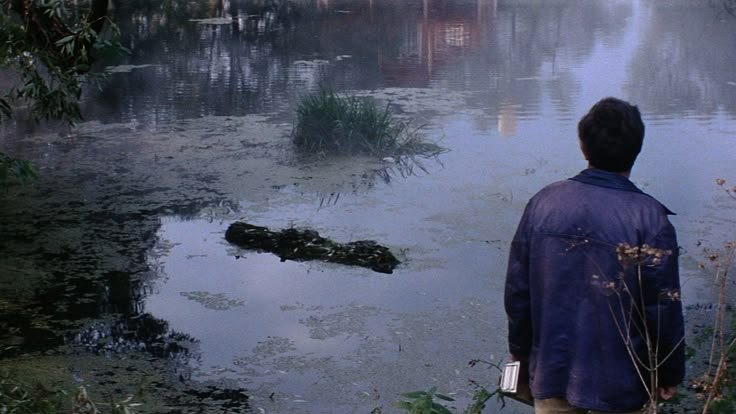
Near the conclusion of the movie, at the very moment you start to believe things will be normal, when you see a tiny seed sprouting from the earth and wonder, “If I threw it into the ocean beneath me, would it live even if I cannot see its end?”, Solaris reveals exactly what we suspected in the swamp shown at the very beginning. Our initial gaze now falls upon the tree with half its trunk submerged in that swamp: “Yes, they must have even thought of throwing a tree of that size into the ocean,” Solaris makes us say.
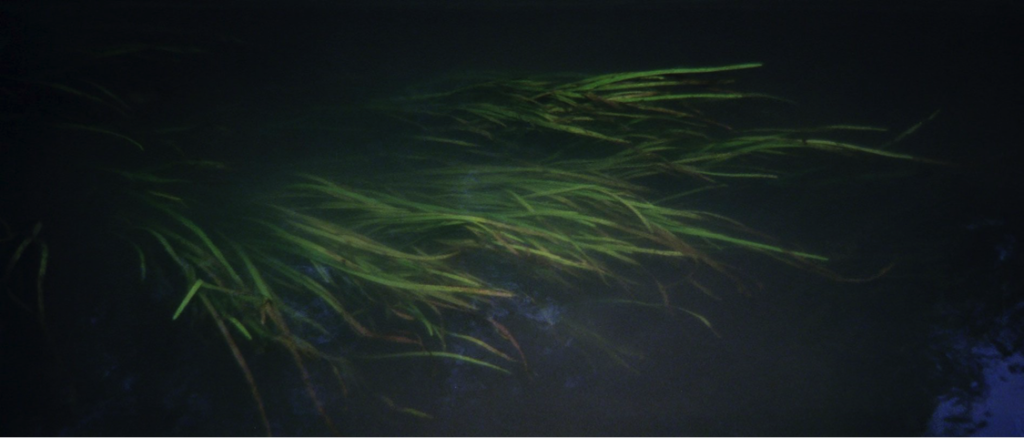
And just when you think it’s over, it shows one last thing being cast from space into life: Reality. Villages and Fatherlands. And just as we think we see people being divided into no one, and villagers going out to hunt, the seed of reality turns white and writes: THE END.
Thank you for being my idol, Andrei the Giant. With the hope of sculpting in time…
Your admirer,
Furqan
Leave a Reply