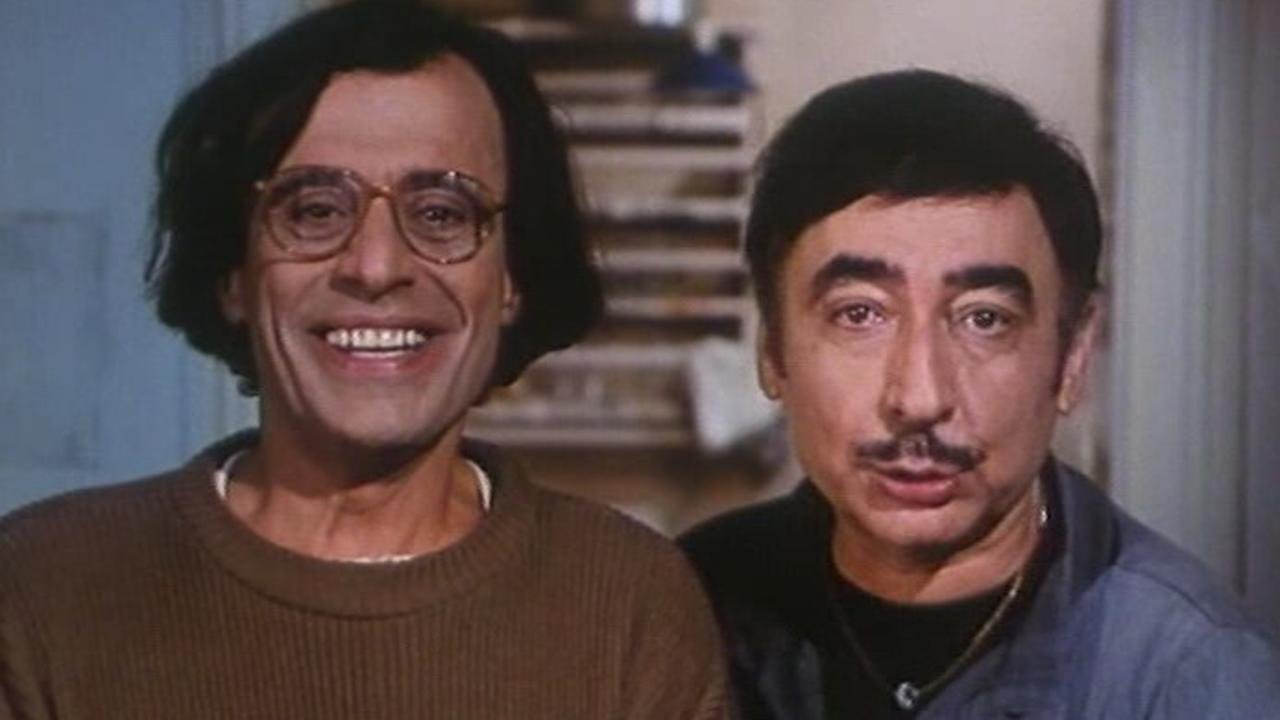
One can bet that dreams are the most normalized anomalies in the human condition!!! Starting in such a didactic manner is actually the fruit of my long investigation into one basic “oh, wow, how?” brainstorm. It gets complicated, huh? Let’s, first of all, go back to the moment it all started, huh? Ladies and gentlemen, here is Yavuz Turgul’s mastering nuance, Gölge Oyunu (1992), huh?..
The protagonists of the story—Mahmut and Abidin—work as comedians at a nightclub; Mahmut is honest, yet Abidin is sly. The story narrates their extraordinary quest after a deaf and mute girl named Kumru is brought to work at the nightclub out of the blue. Synopsis, huh?
Assuming the next part of this review is for those who have watched the movie: enjoy reading on!
To start with, I want to share my honest, difficult time with the article you’re reading now. Being fond of Yavuz Turgul’s cinema—starting from the first time I watched Av Mevsimi (2010) years ago, and striving with some of the biggest breakpoints in Turkish cinema, Muhsin Bey (1987) and Eşkıya (1996)—I watched Gölge Oyunu with high expectations as a further work from uncreative Yeşilçam (the Hollywood of Türkiye, mainly between the 60s and 90s). And of course, my expectations not only fulfilled themselves but also turned out to be low according to the film’s own supremacy (I gave it 5 stars on Letterboxd).
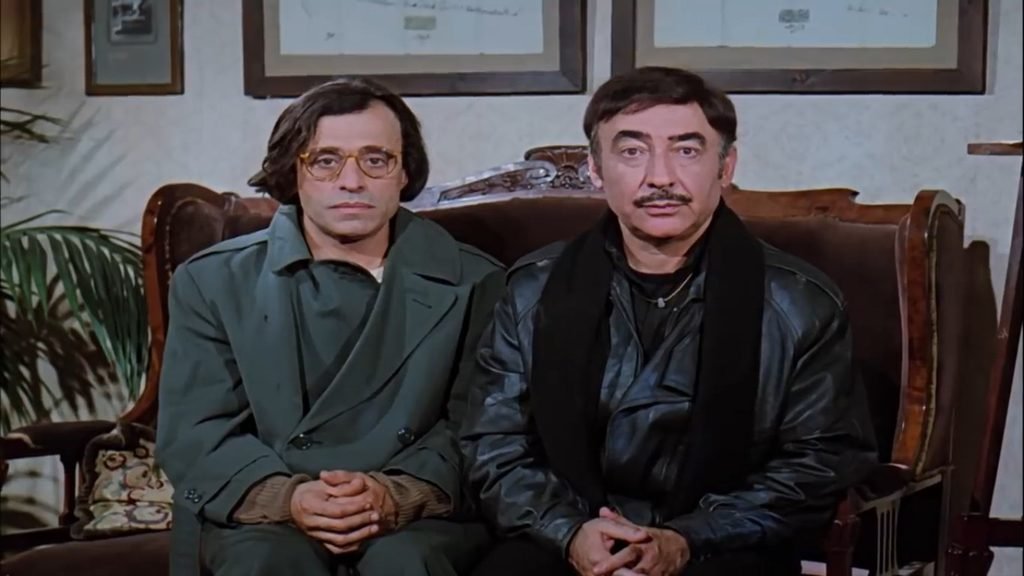
Though, a little nuance became the rationale behind my delaying writing about this beauty: it was Yavuz Turgul’s previous masterpiece, The Unforgettable Director of Love Movies (Aşk Filmlerinin Unutulmaz Yönetmeni). Its nature of revolution once again captured me, and here I am, trying to post this article on the very last day of the deadline—November 13th…
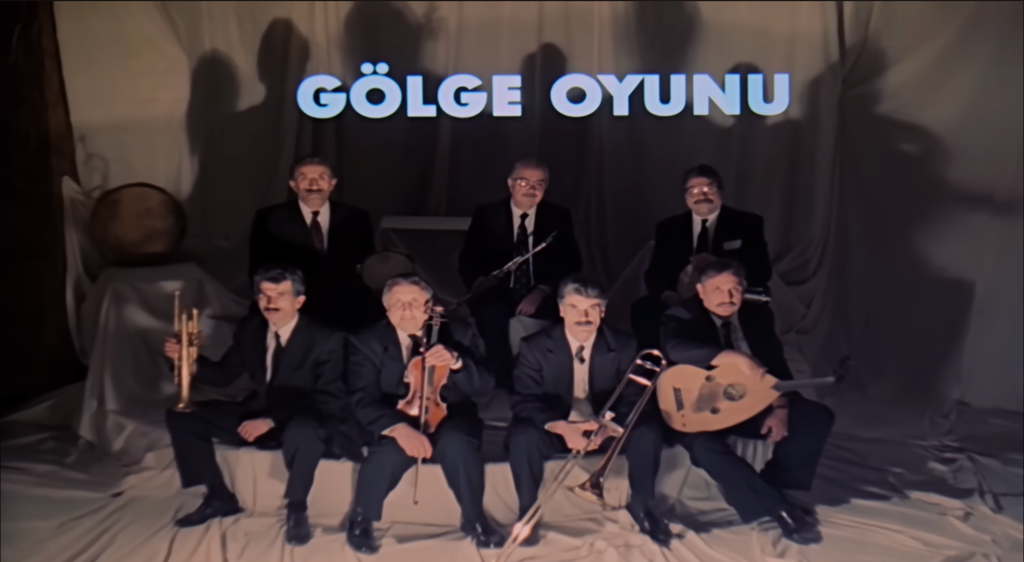
Now, let’s head to the film itself—finally?! As many could and have noticed, everything aside, the narration style the film uses is, after all, legacy. For instance, the ensemble appearing between transitioning scenes is a clear inspiration for the Golden Bear winner Head-On (2004). On the other hand, Cem Yılmaz’s cult classic Hokkabaz (2006) stands as a vivid point of veneration with similar scenarios in surface.
The resemblance to a David Lynch vibe is also part of the deal, which elevates the film’s role in aspiration within every space. From my point of view, the reason why the film works so well in this regard is because, throughout the watch, queries like “What if?” delve into our veins but never buff out until the end. I mean, the scene where the prison worker says “everything has its own time” and Kumru’s smile appears, for example, comes closest to spoiling itself most, but still preserves the mystery by moving forward…
As the mystery finally becomes fully plain in the ending, we witness the most fascinating moment of the film, too. But this is not merely because of the anomaly, since we already felt the itch. It’s because the ensemble asks a simple, elementary question in the holy epilogue:
“What is reality, anyway? Is this nightclub real—does it even exist? Are we real—do we exist? Who knows… who knows…?”
With all honesty, I confess that this question bugged me with the thought that the word “dream” is too dogmatically given in even a rich language like English. There is a saying that languages shape our understandings, as explored in Arrival (2016)—and it really is true. Because there are words like “Xəyal” and “Yuxu” in Azerbaijani. One of them means the thing you imagine—a dream… and the other is the thing you see while sleeping—a dream. Although there are theoretically words like illusion, imagination, fantasy, or vision, practically I can surely say none of them work as exactly as what I mean.
What I mean by all this “nonsense” is that this funny dilemma(?) made me think so much that I lost track of many things—including the plan to write a good article about this film, rather ignorantly… But does it matter? Does it matter if we learn why Kumru landed and wandered in a world full of “truths and realities”? 🙂 Because…
“What is reality, anyway? Is this nightclub real—does it even exist? Are we real—do we exist? Who knows… who knows…?”
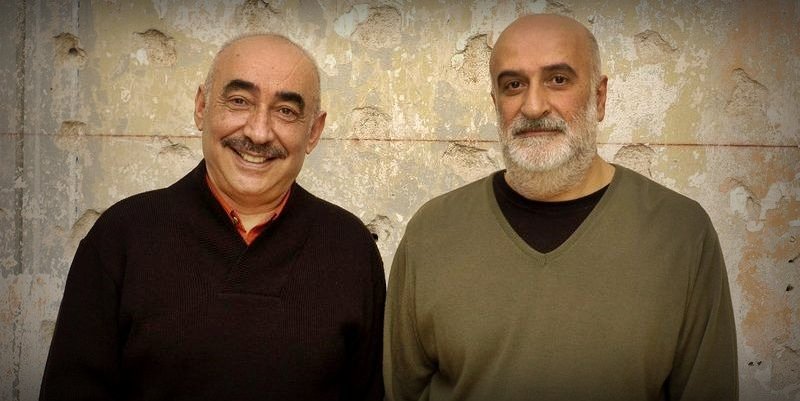
To dear Yavuz Turgul and Şener Şen, with the happiness of still having them…
— Furqan

Leave a Reply