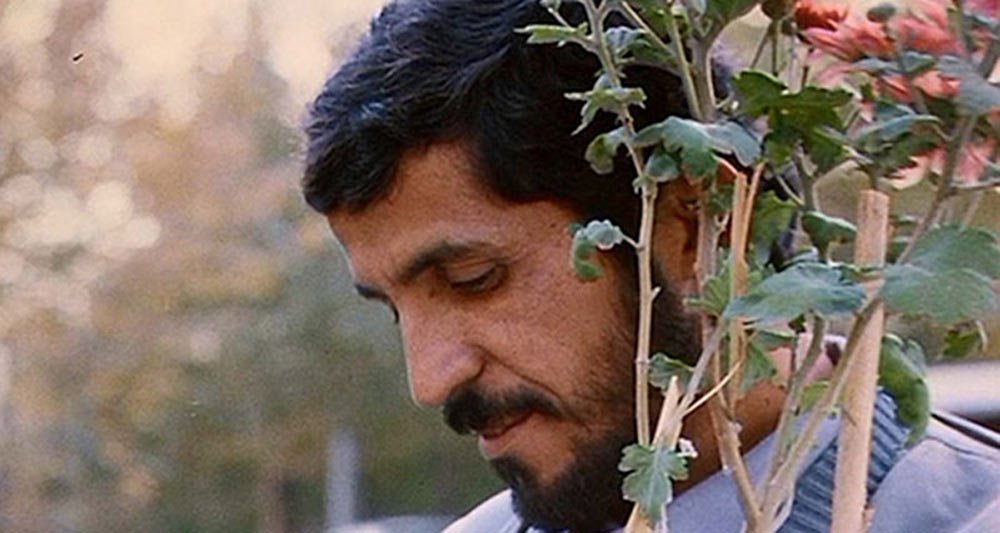
“For me, art is the experience of what you’ve felt inside,” he said. He always lived to let his feelings take him away, eventually reaching a place where he said, “I let my love for cinema destroy my life… but I’m still always eager to see a good film…”
The movie Close Up is about a man named Hossain Sabzian, who has always been poor and unable to engage in art because of his financial state. But cinema continued to be the one thing he could not get rid of, because every good movie renewed his desire for living again and again. The breaking point of his story occurs while he is reading the book The Cyclist by Mohsen Makhmalbaf. A woman asks about the book, and Sabzian suddenly claims he wrote it. When the woman insistently asks if he is really Makhmalbaf, Sabzian replies in a soft voice: “Beleh, Beleh, Beleh.” One thing leads to another, and Sabzian starts visiting the home of that woman’s family, earning the respect of the father and his two sons.
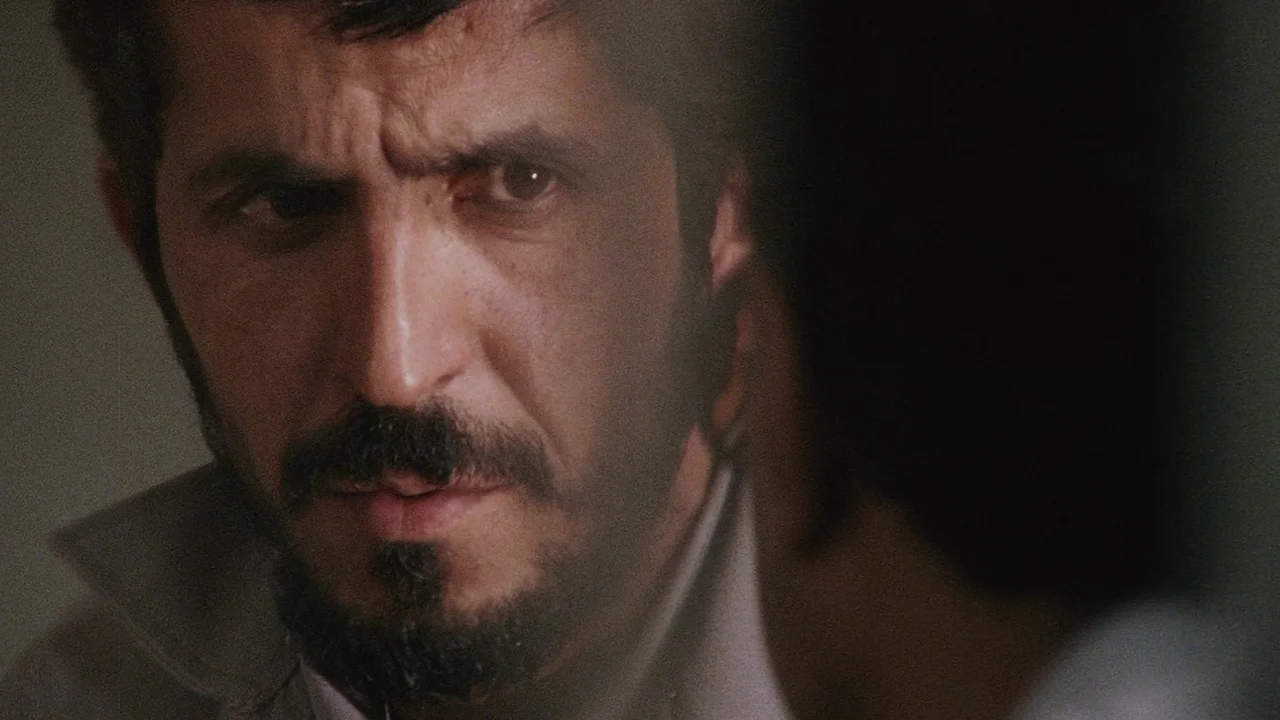
Briefly, they sue him after learning the truth, and a miracle happens exactly at that time. Abbas Kiarostami sees Sabzian in the newspapers and visits the prison to meet him in person. Up to this point, the summary was for those who haven’t watched the movie. Now, it is time for my thoughts on the perfection of the film.
The main reason I would call Close Up the most realistic movie ever made about acting is the way Sabzian creates his feelings so authentically in real life. For example, in the court scenes… there are many rumors about those scenes; some say they were re-created, while others say they were shot only once. Regardless, the words Sabzian speaks, almost like a poem, illustrate how art is solely the experience of what we feel inside. At the moment the judge asks, “Who are you acting now?” and Sabzian answers after a long pause, “Myself”… what can I say? The philosophy that no one but a poor art lover saw in the most important second of his entire life? Yes! Yes!
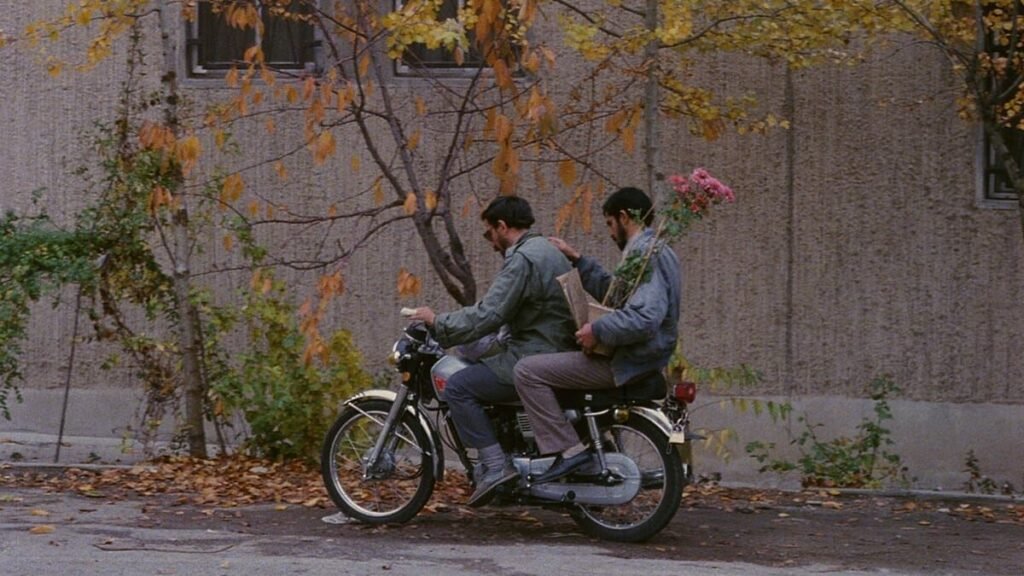
The final scene: the one that comes after Sabzian’s slight, ambiguous smile in court. Mohsen Makhmalbaf arrives on his motorbike. We can tell it is a real shot because of the camera crew’s panic about losing him, then finding him, but not being able to hear him because of an old microphone. Despite all these technical difficulties, the microphone starts working again, and Makhmalbaf finds Sabzian. That strong man starts sobbing, unable to even look at his favorite director. They go to the home of the family; the father opens the door and greets both of them. And Sabzian, who was sobbing a moment ago, now smiles with the flowers in his hands. Cut!
I want to conclude this article with both Sabzian’s hero and mine: Abbas Kiarostami. In all his movies, we see pieces of art arising from limitations; profound feelings arising from simplicity. Perhaps if he hadn’t cared about the poor guy who pretended to be someone else—thinking he might be just a scammer or a bad guy—Sabzian’s life would never have become an example of hope for so many people.
To the great person who always loved his country and people all around the world. To Abbas Kiarostami… God bless you.
Furqan


Leave a Reply