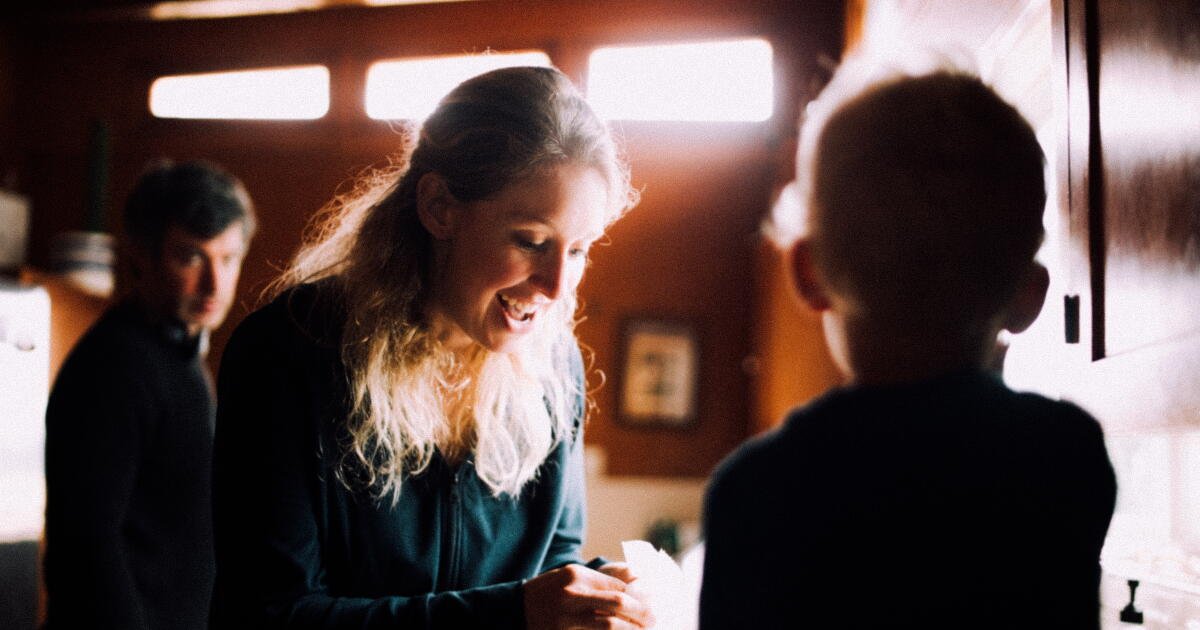
Each of us was born with equal simplicity as human beings. Then all of us were raised by others like us, but with small differences—like querrying words such as “reality” and so on. That is why, after growing up, those raised individuals started creating fictions filled with either good or evil, disputing between those two, which was the deal in real life. I mean, haven’t we all been in the same room with a liar, sitting in silence despite knowing they were manipulating us? The answer is yes; we are all familiar with those uncertain moments that we cannot express with words. Yet our imagination and fiction could only create stories of pure good or pure evil in a didactic manner. At least, that was the general belief—until some of those simple human beings returned to the very first place they began. Ladies and gentlemen, today we are going to try to understand the point of an answer like “You Can See Everything!” in response to humanity’s effort to see it all. Here is the best film of this year: You Can See Everything, by Nathan Fielder and Lance Oppenheim…
P.S.: Despite all the dread I feel about screwing this up, today I will try to write my best article ever, which will be quite a love letter to Nathan Fielder. So, let’s start!
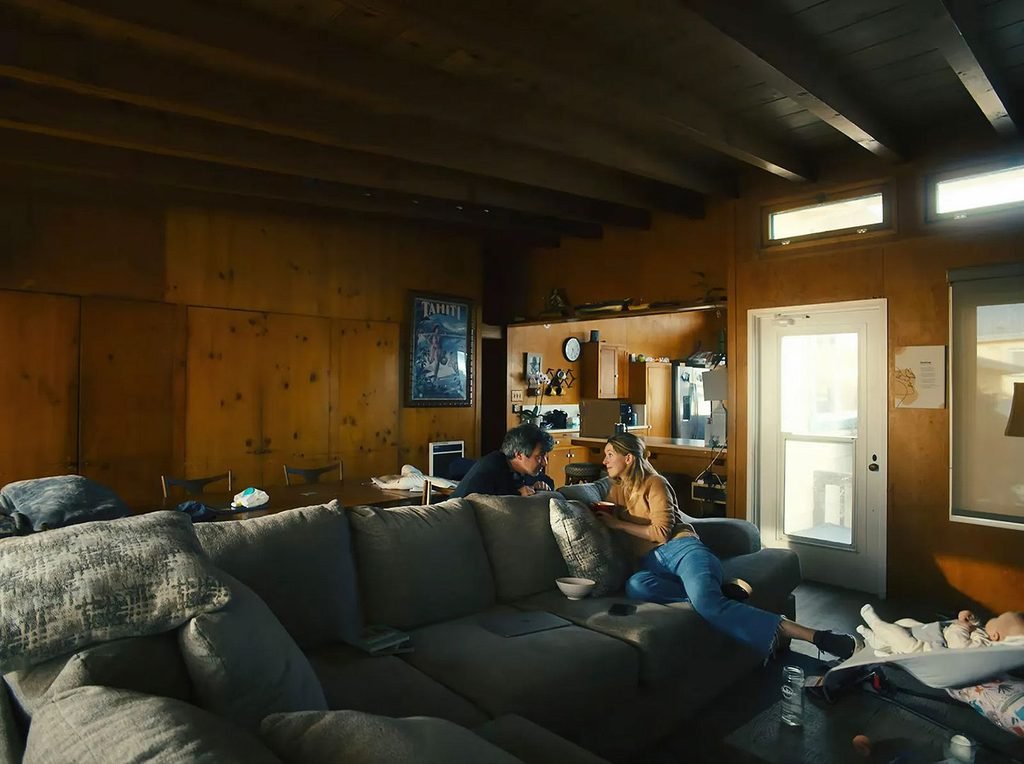
As a brief synopsis, our famous protagonist, Silicon Valley founder Elizabeth Holmes, invites a skeptical film crew to document her everyday life thirty-four days before she is sent to prison. After the main figure in that “skeptical film crew”—famous Canadian comedian Nathan Fielder—tries to delve into the things the audience would want to explore, what begins as an intimate portrait of an enigmatic felon becomes a mind-bending three-year journey into the abyss…
Assuming the rest of this review is for those who have watched the movie: enjoy reading on!
Now, as you can guess, from here on out, it is my mission to express “everything I saw.” However, as you can also guess, it is no piece of cake to grab just one part of such a masterpiece and run with it. For this reason, I would first like to present some fundamental information—which is vital for understanding the film—regarding both Elizabeth Holmes and a persona no less important than her: Nathan Fielder.
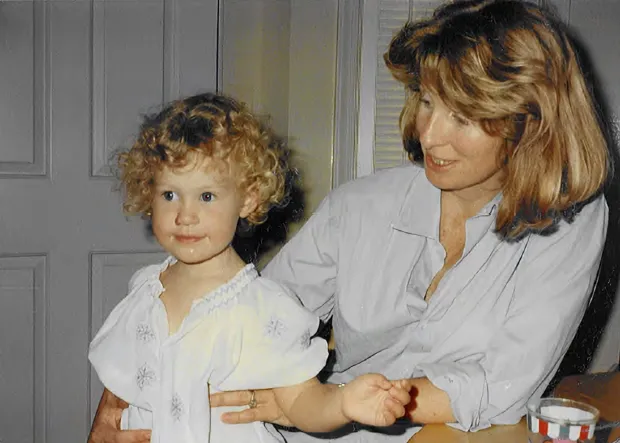
Born on February 3, 1984, Elizabeth Holmes grew up in a prominent family with roots in wealthy entrepreneurs and politicians. From childhood, her parents strictly demanded that she become successful and rich. In this context, they made her learn Chinese and eventually study in China. Although she was uncomfortable with all of this, she successfully enrolled in the chemical engineering faculty at Stanford University. As part of her even more ambitious story, she left the university during her sophomore year in 2003 to start Theranos. What happened afterward is history. I underscore her early years with her family because they reveal another unknown, necessary aspect of this story.
On the other hand, what we need to examine regarding Nathan Fielder is his career as a comedian known for his awkward, deadpan persona. As he says in the intro of his first prominent work, Nathan For You (2013–2017), he “graduated from one of Canada’s top business schools with really good grades” (like a C+). His way of handling things so seriously—yet absurdly to a sane mind—continued with his spiritual sequel, The Rehearsal. For these reasons, what makes You Can See Everything so important is how this background heavily guides us in capturing Nathan’s actual personality, too. As a person who watched all his works in this recent month, throughout watching the film, I felt like I was witnessing a close friend diving into trouble while trying to communicate with someone deeply strange. As time goes by, it gets more puzzling and interesting, since you, the observer, must decide which side to believe in your close friend’s story of entering the abyss.
As I have insistently claimed like a gasbag, I am a huge fan of genres like semi-documentary and mockumentary. Works where reality and fiction integrate and bend into each other are always my favorites, because a vital cinematic element like acting is at its best in these genres, in my view. I believe the exact rationale behind why many think of this film as scripted—even after trying to view it as a documentary—is entirely due to the supremacy of reality: reality shaped by capturing. What do I mean by “capturing”? For instance, in one scene, the cameras spontaneously caught a genuine moment of anxiety from Elizabeth’s parents, where they unconsciously pressed each other’s fingers. As you remember, her parents were one of the main reasons Elizabeth constructed her current persona. And capturing is not limited to that moment. In an adjacent scene, her father, Christian, mentioned something we didn’t know before: that she was raped at the age of 19—the exact age she decided to leave university and start Theranos. Right at that moment, as he was perplexedly trying to help Nathan understand some opaque points about his daughter (and he genuinely seemed to be trying), the way Billy first interrupted and then vividly interfered to stop the conversation was truly striking. It makes you think, “All of these things seem better than any performance because they are real.”
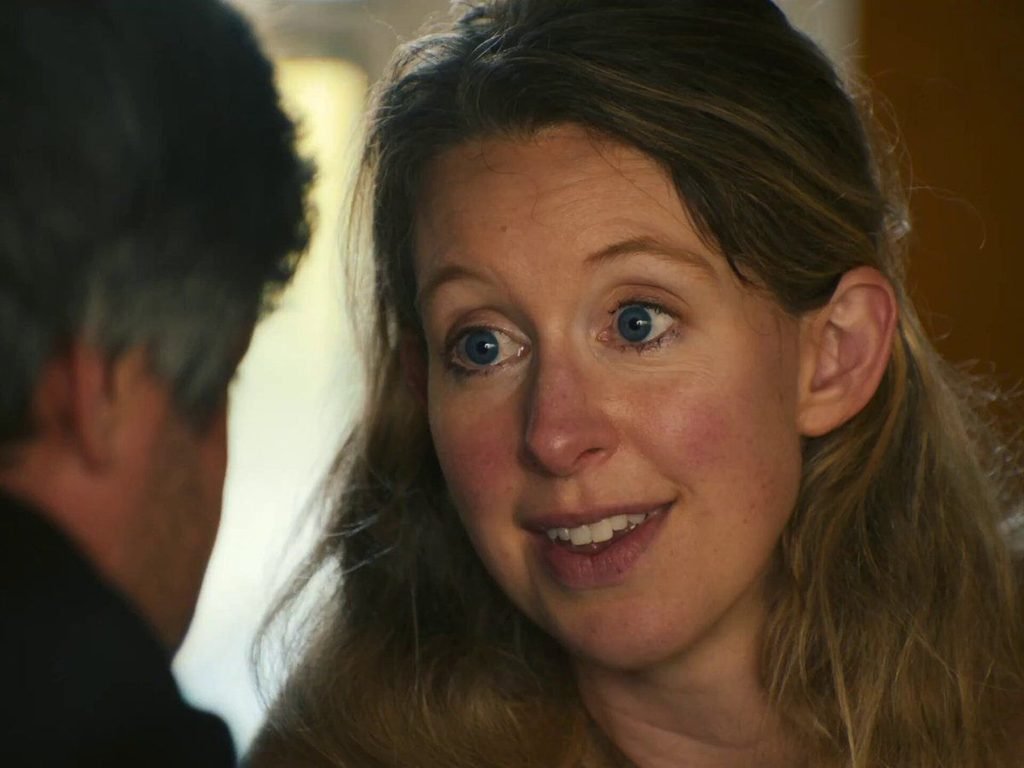
You Can See Everything puts the audience into a newly revolutionized consciousness: no fictional acting can surpass this genre. The biggest proof of my point is that some people genuinely believe this documentary is scripted and was orchestrated by Elizabeth Holmes, Nathan Fielder, A24, and even larger forces all together to manipulate everyone.
As we all know, the “human condition”—the most relatable phrase to answer the question of “what is going on in this film?”—and its inevitable companion, time, are roughly divided into two parts in the movie: the first part in 2023, where Elizabeth is heading to prison, and the second in 2025, featuring Amanda Seyfried. Within this structure, the central figure we repeatedly confront—who is present in both parts—becomes Elizabeth’s husband, Billy Evans. In the first part of the film, an apparent naivety seems to define him. For example, when Nathan questions him about the first time he met Elizabeth, his face displays familiar gestures—like someone foolishly trying to hide something for a friend’s sake, or desperately trying to choose the right words to protect them. This makes us believe in the power Elizabeth holds over Billy. However, in the second part, as Billy takes control of “everything,” our perception of him shifts from scene to scene, even though probably not much actually changed over those two years.
In parallel, Nathan’s shift—though still likely minimal—affects us, the audience, the human beings who always want to know everything. I don’t know if it is wise, but I always focus on the title of any compelling artwork. Here, the title leads into a borderless maze, as simple as it can be: You Can See Everything, as if you truly want to see everything. Yet, what is the point, right?
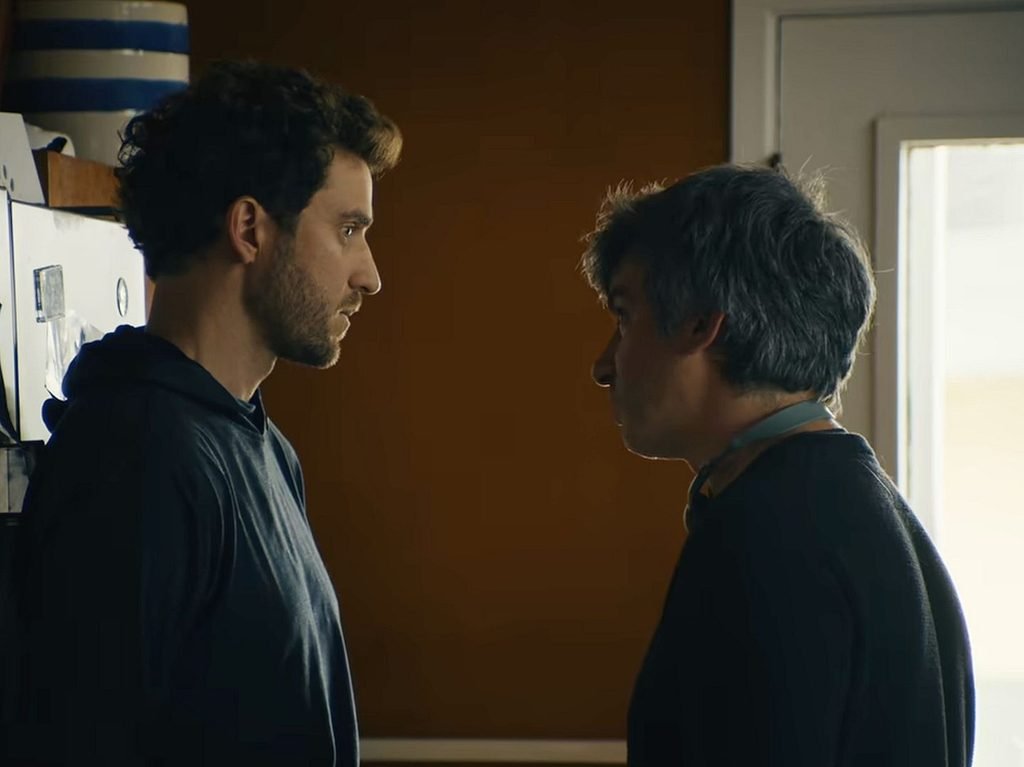
From my own experience, in the scene where Elizabeth said, “I don’t know if I knew,” in response to Amanda’s question, “Did you know if I would be here?” I initially thought, “Oh my goodness, here it is—that is the proof that she is a maniac!” But then, a few days later, the sheer normality of that answer—I have heard similar answers dozens of times—hit me. I understood that no matter how postmodern you consider yourself, and no matter how much you claim to reject radical binaries, we all still want absolute knowledge so we can label someone as purely evil or purely good.
Let’s say we watched a professional liar deliver an outstanding performance that manipulated both us and Nathan Fielder (some people even severely criticize him for his passive approach). What then? What is the takeaway? Haven’t we been in the same room—and this is crucial—with a liar like her? Of course we have! Haven’t we foundourselves trapped in a lie that we accidentally had to carry further? Isn’t Elizabeth’s eerie inability to understand the “Who’s on First?” joke, or her claiming she has never lied, strangely familiar to us? It is! And if not right now, remember your childhood. For example, when you were four or five years old and stole some simple, worthless little thing. At that moment, your parents’ questions about that item became completely blurry to you, while the situation seemed absurdly obvious from your parents’ perspective. Now, do you understand what I mean?

I strongly contend that You Can See Everything is an otherworldly masterpiece because it mirrors the greatest works of fiction effortlessly, relying solely on the ultimate power of reality. Need an example? Of course I’m going to give you one—and to be honest, it is the best example of my entire thesis. Yesterday, I saw a reels pointing on an ironic parallel between Ingmar Bergman’s Persona and this masterpiece. From Nathan and Elizabeth’s struggles with constructing personas over the years, to the films’ eerily similar spontaneous details—like similar coastal shooting locations, or Nathan’s mattress-less bed, which mirrors the opening of Bergman’s film—I don’t think I even need to elaborate on how wild this is. Regardless, we have Fiona Williams to thank for pointing out these details!
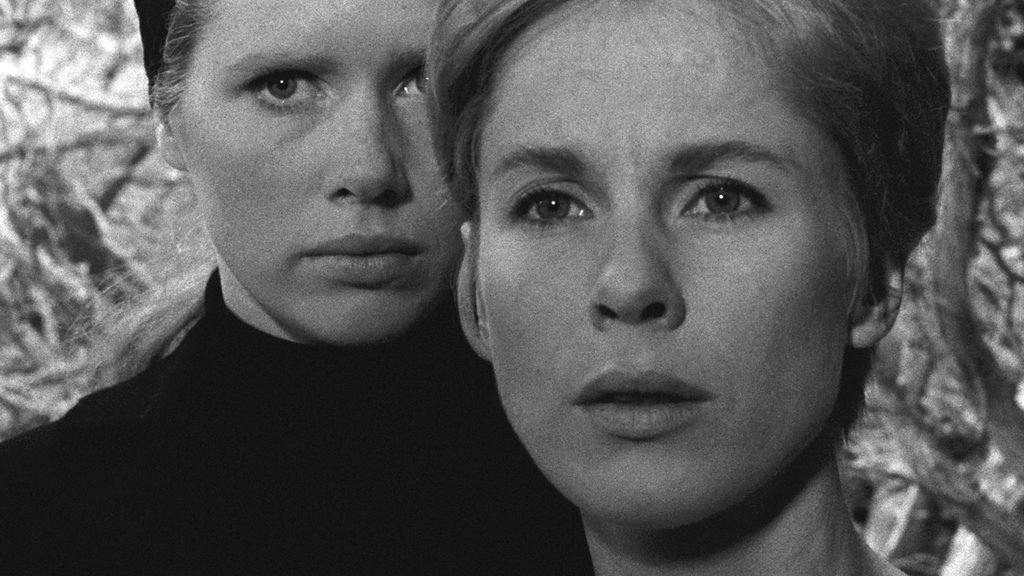
By the way, around that same time, I was reading Bergman’s autobiographical book, The Magic Lantern(Thanks to Mrs. Sabira Abdullayeva Rustamzade, whom I watched the film together with too)in which he confessed that when he met Liv Ullmann, she instantly got the role in Persona. Why? Because on one hand, she looked exactly like Bibi Andersson—the other protagonist in the film—and on the other hand, she didn’t look like her at all. Infer whatever you want from this information…
To conclude, I want to dedicate this paragraph to the man to whom I was supposed to write a love letter. Nathan! You did exactly what I; those who criticize you for not acting like some random detective in a Hollywood movie; and everyone else would have done. I don’t know; I’ve tried so many times to write something proper that I still feel I fall short. Yet, I look back and ask myself: what remains after experiencing an astonishing, fascinating work? Stillness! An indescribable adoration that nothing else can give a person. With this insufficient attempt of mine to explain things, haven’t I already proven that “THE TRUTH WILL NEVER BE REVEALED BETWEEN TWO PEOPLE”? I think so. So, I suppose we should leave things to time, just as you did for two years after seeing Elizabeth off—a persona similar to all of us, still believing in things that aren’t even worth believing in. Gaspar Noé says, “Time destroys everything.” Yes, it can! Let it be! Or let it reveal things… What is the deal, right?
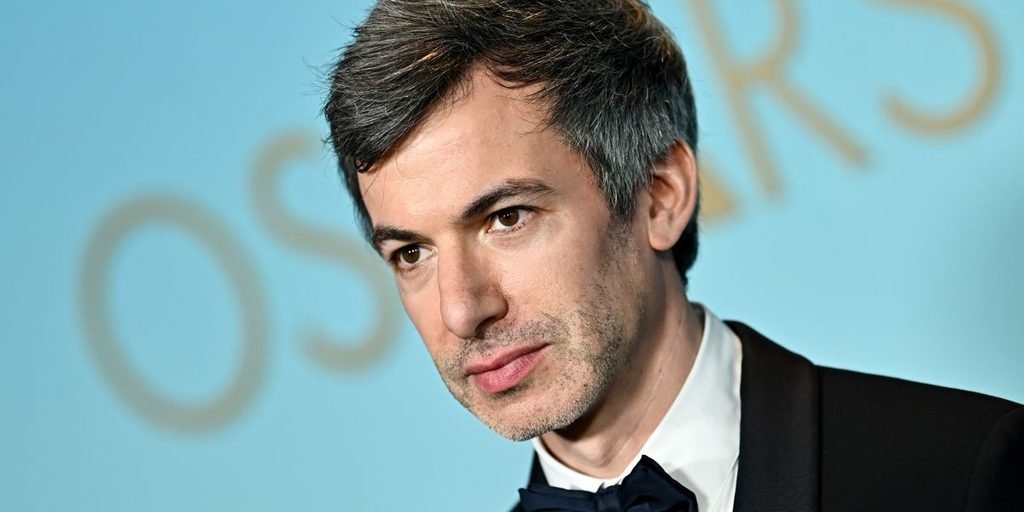
With the hope of seeing you rewarded for everything you have shown us, Nathan!
Peace and love,
—Furqan

Leave a Reply