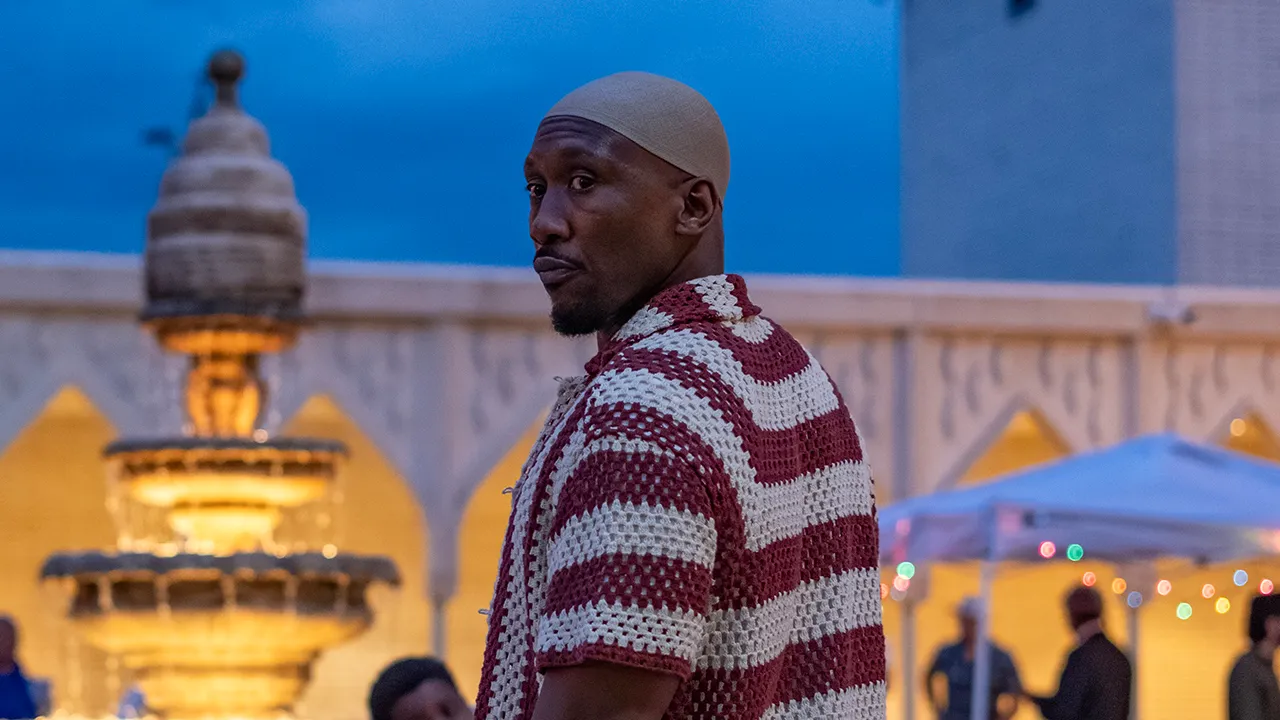
Quotes… sayings… or hadiths… Although they can sometimes appear as a bunch of clichés, they do possess something distinct. They stand still with meaning apart from whatever else happens, don’t they? Perhaps this is the rationale behind calling them clichés—as a reaction to certain quotes or beautiful hadiths (the sayings and traditions of the Prophet Muhammad), one might bring up their own ongoing, problematic struggles and the fact that humanity descends from Cain, who killed his own brother, and thus furiously deny any higher wisdom. However, sometimes, as a response to the reflection of those timeless sentences on real life, we stand still and take action under the disguise of a quote that no one else can see… Ladies and Gentlemen, here are my review on Your Mother Your Mother Your Mother…
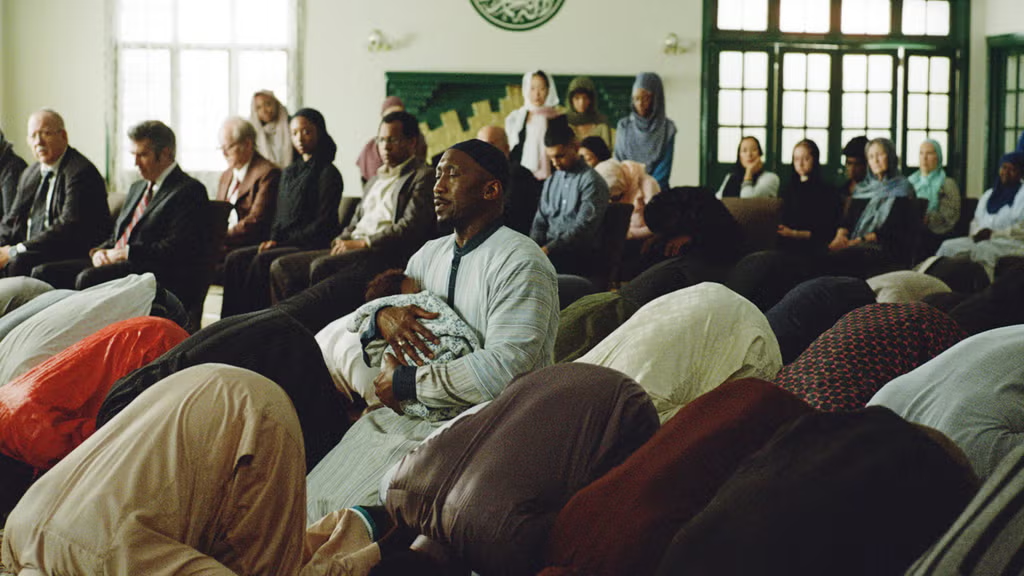
The story begins with Latif—a devoutly Muslim hitman—learning of his wife’s death. The struggles of a man trying to balance work, faith, and fatherhood to three children vividly rise to the surface as he embarks on a desperate journey across Houston to protect his children and confront the forces closing in around him. Even though the film leans heavily into the action genre, it delves deeply into layers of spiritual drama. Most importantly, from my point of view, the film does all of this without pretense.
Assuming the next part of this review is for those who have watched the movie: enjoy reading on!
To start, I want to congratulate Bassam Tariq for making such a distinct film in every way. As someone who generally stays away from the action genre, every intense incident Your Mother Your Mother Your Mother presented made me genuinely care about what was happening. As a Muslim, I felt pity, empathy, and eventual relief for Latif’s various actions throughout the film as if they were happening to me. The moment a vital principle in Islam—forgiveness—occurred at the end, despite Latif being a hitman, it gave me an otherworldly feeling about the film.
With all honesty, I confess that since my childhood, the concept of religious warfare has bugged me to some extent. For instance, while watching The Message years ago, I felt a sense of emptiness regarding Creator’s justification for war against the ones that were bad, because I asked myself: “Isn’t this the exact justification human beings of every religion and nationality have used for centuries to kill other human beings?” Now, it is my firm position to say no to war, regardless of the justification offered.
I mention these nuances because from the very beginning of the film, the protagonist, Latif, kills others for the sake of his beliefs. Then the antagonist, Haun Yoon—a conservative Christian pastor—kills innocent people in a mosque for his beliefs…
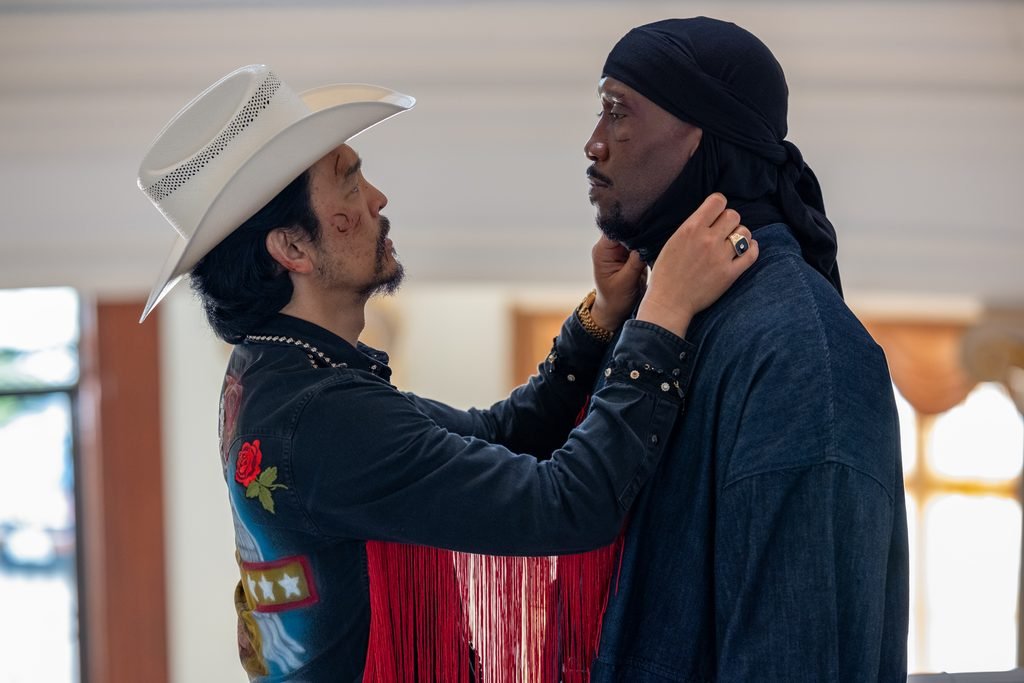
And guess what… Watching all of this unfold, I pessimistically assured myself throughout the film with the thought: “It is because we all are descendants of Cain, who killed his own brother…” However, the ending gave me a different kind of reassurance—that life is simple, and we are just in God’s hands. This hit home as I saw opposing sides eventually walking together, plagued by similar questions, where Haun Yoon asks, “Who prayed for you?” and Latif answers, “My daughter.”
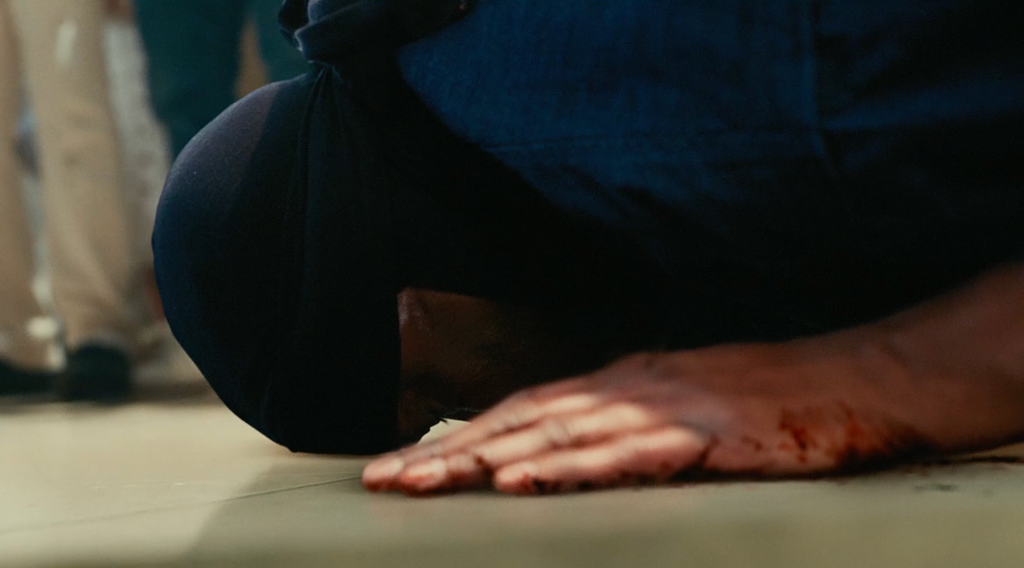
The film answers the question posed in the title of this article with: “Neither, probably… life is simple and we’re just in God’s hands.” Interestingly, its way of delivering this message occurs through stillness. In a storyline continuously driven by physical action, the moment where Latif assumes the sujud (prostration) position—which he couldn’t perform at the beginning of the film due to his overwhelming sorrow—while near death, everything stops, and the hadith his daughter reads aloud becomes the real action of the scene. Ironically, the most intense sequence in the entire movie turns out to be this very moment of stillness…
Finally, I want to mention the cinematographic visuals, atmosphere, and score, which much of the audience feels surpasses even the storytelling. Since I have praised other aspects of the film already, I will simply express my appreciation for these elements and move on. (A fun note: I didn’t realize the Imam of the mosque was played by Giancarlo Esposito, whom we know as Gustavo Fring from the Breaking Bad universe!)
Highlighting the clever metaphor of the persistently showcased struggle to find milk for a child, and congratulating Bassam Tariq for his wonderful work as well as Mahershala Ali for his supreme performance, I would like to bring this article to a close.
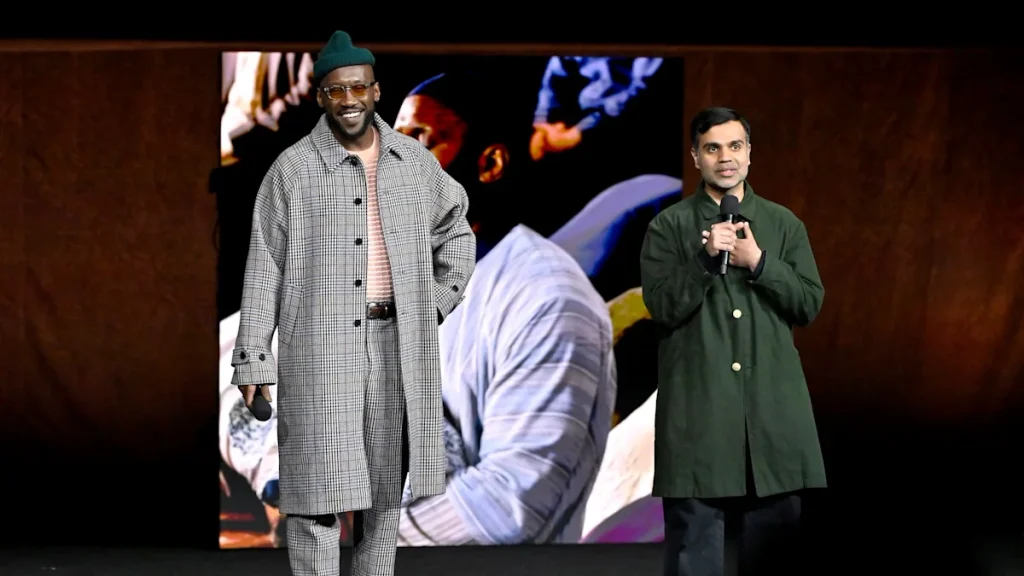
Hoping for the best for everyone… just as Your Mother Your Mother Your Mother ended with a quiet hope for peace…
Sincerely yours,
— Furqan

Leave a Reply