“Reality is what you make out of it,” they say. Such a quote seems affable enough. However, what I fear most is that I always consider my own comprehension to be the absolute truth. Less intellectual people than me view theirs in much the same way. Yet (and here comes the plot twist), people who are far more intellectual than I am also view their understanding as significantly more truthful than mine too.
Setting aside a few exceptions, I bet there is virtually no room to deny what I suspect: everyone considers themselves to be the most legitimate. What I’m truly atremble of is that this self-belief leads me to a desperate line of thinking, “Okay, if I cannot be sure of what I or anyone else is sure of, then let’s just screw it all” andthat is no way to be free, because there will always be “others”—always, always, and always.
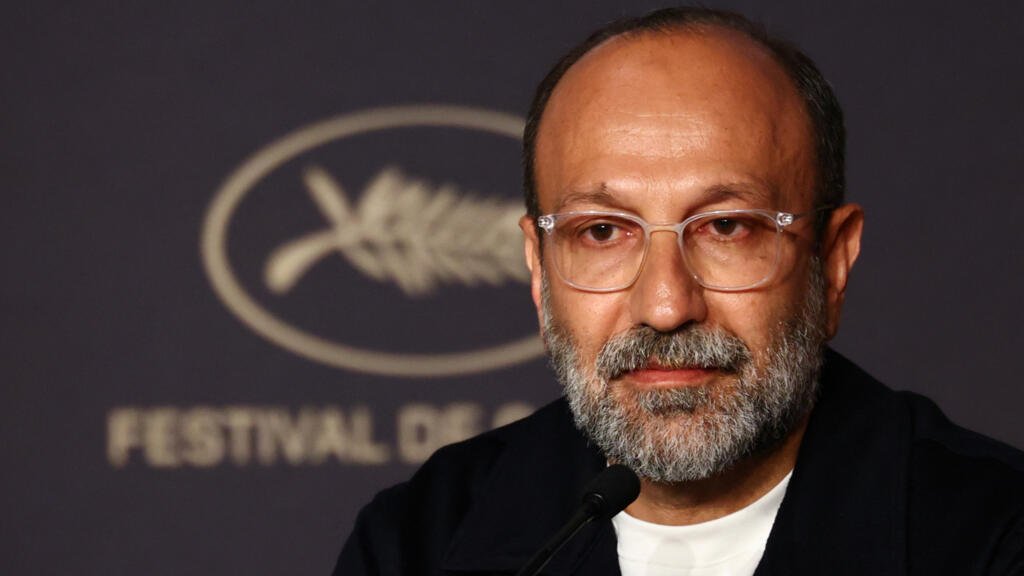
Today, I am going to write about a man who has expressed this idea better than anyone else, coming from a place where there are always “others.” Ladies and gentlemen, here is Asghar Farhadi and his truth.
To start, I want to underscore master Asghar Farhadi’s supreme influence on my cinematic taste. From the very first moment I watched A Separation (2011), I truly understood the essence of absolute perfection in art, regardless of resources and so on. What I witnessed was two intense hours filled with empathy for every character on opposing sides. There was no music until the end credits, and the only way for me to adore it found its place thanks to a masterclass in screenwriting. From my point of view, A Separation was perfect not only for its unprecedented tension, which even any non-cinephile would fall in love with, but also for highlighting the facial expressions of the Iranian people, whose eyes always seem to imply, “We know a lot… but we cannot say much.”
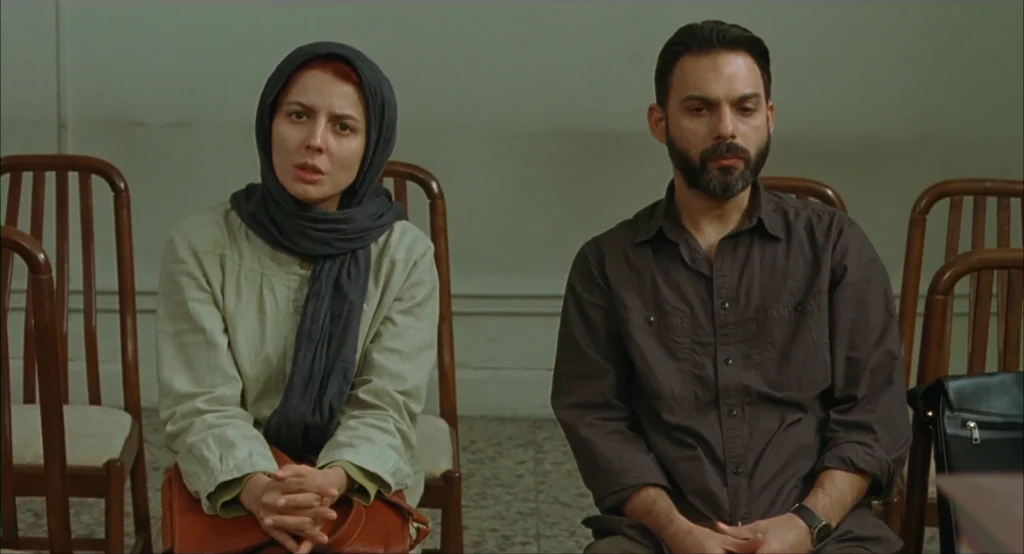
This emphasis on facial expression reflects a comment Mr. Farhadi made in an interview, where he explained the guiding logic behind his cinema:
“I’ve never written a negative character in my films; all of them are partially right, and I want the audience to connect with and like all of them. So I try to choose actors that, when you see his or her face, you feel sympathetic towards them.”
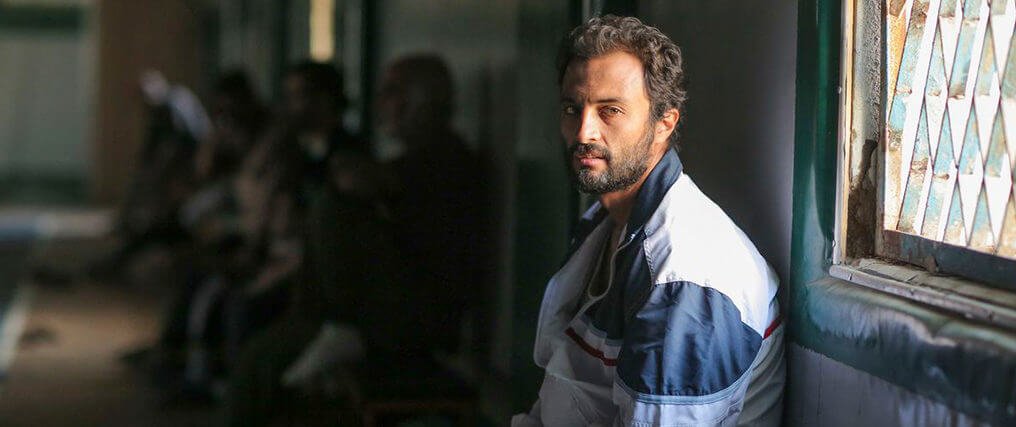
To understand this more clearly, one need only look at the protagonist Rahim’s (played by Amir Jadidi) facial expressions throughout A Hero (2021). In both happiness and grief, his subtle smile showing his front teeth plays a heartwarming, yet sometimes distracting, role. I may have jumped straight to his recent film, but A Hero was, is, and will be truly unforgettable for me, as it became my first-ever DVD purchase last week.
In fact, that bunny teeth nuance has been mining my mind since watching it. To me, this performance choice—with Jadidi adopting that expression alongside losing severe weight and ruining his posture as Farhadi demanded—demonstrates the otherworldly appeal of art that “makers of it” see in amusement.
It is as certain as 2 × 2 = 4 that Mr. Farhadi’s cinema constantly delves into profound moral dilemmas for the audience. His films fundamentally challenge our understanding of the word “reality” and perhaps try to convey peace in a subtle way, saying: “You see? The person you were furious at a moment ago is now dear to you.”
I think the most striking example of this philosophy is his Oscar-winning film The Salesman (2016), in which we, the audience, feel genuine empathy and sorrow for a man whom we would have wanted to beat to death just ten minutes earlier. What a genius!
Finally, I would like to write briefly about the director’s latest film, Parallel Tales (2026), which unfortunately was not received as enthusiastically as expected by many. Personally, I liked the film from several perspectives. While it may be true that it does not reaches Farhadi’s avarege level, I definitely believe this should be attributed to Farhadi’s exceptionally high benchmark rather than a flaw in the film itself.
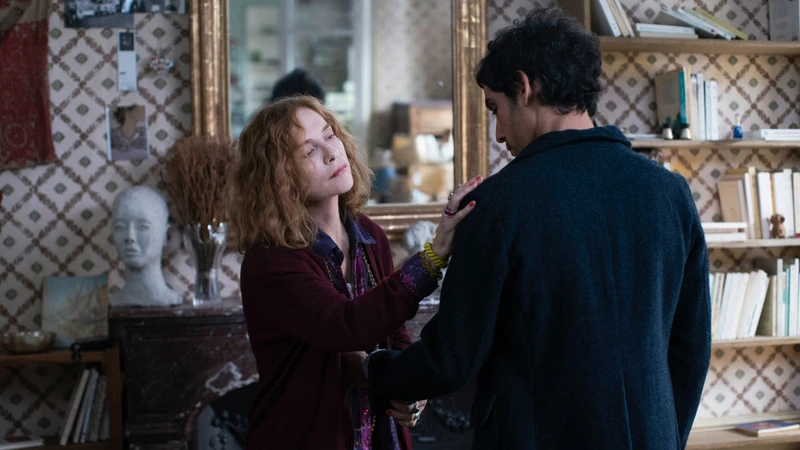
Interestingly, as an adaptation of Kieślowski’s A Short Film About Love—Farhadi mentioned he was initially offered the chance to adapt Dekalog—the film incorporates subtle nods to Kieślowski’s cinema. For instance, the choice of music reminded me of an instrumental piece from Three Colors: Blue. Yet, the film operates according to its own distinct rules, defying expectations for both directors.
The beginning of the film features one of the worst color palettes I have ever seen, but after a while, it settles into a natural rhythm due to the story’s internal logic (which I will not spoil, as many of you likely have not seen it yet). One element many criticized is that Farhadi’s signature moral dilemma scenario is largely absent this time; however, I think that is precisely why we should reflect on it.
As for my favorite theme in the film—which many felt lacked action despite its long runtime—it is the subtle exploration of the word “Parallel,” both literally and metaphorically. A similar narrative structure was present in another Iranian director’s work in Europe, Abbas Kiarostami’s Certified Copy (2010), which I also adore so much… Both filmmakers seem to have suffered from being unable to make films freely in their home country, don’t they? Whatever…
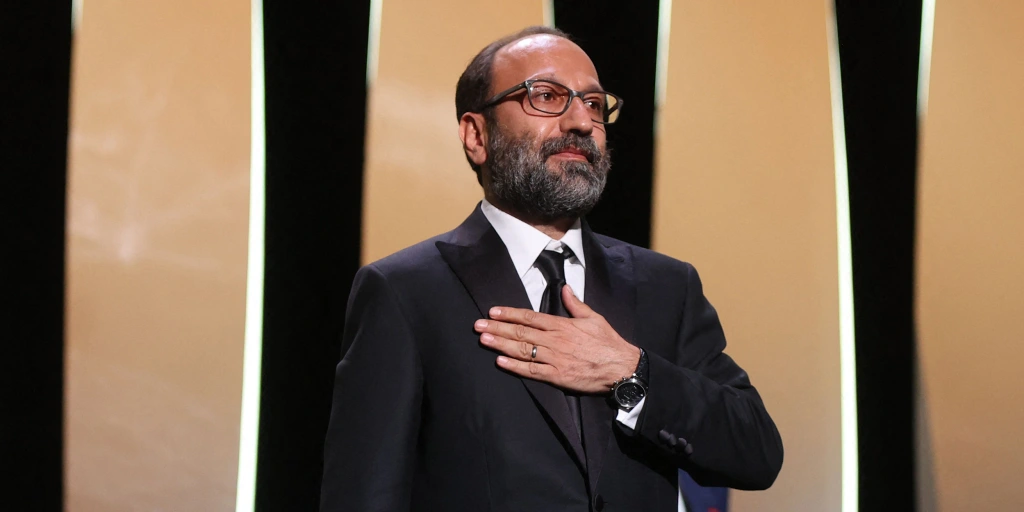
To everyone who finds their own way to bring peace to the world they are condemned to live in…
Peace and Love,
—Furqan

Leave a Reply