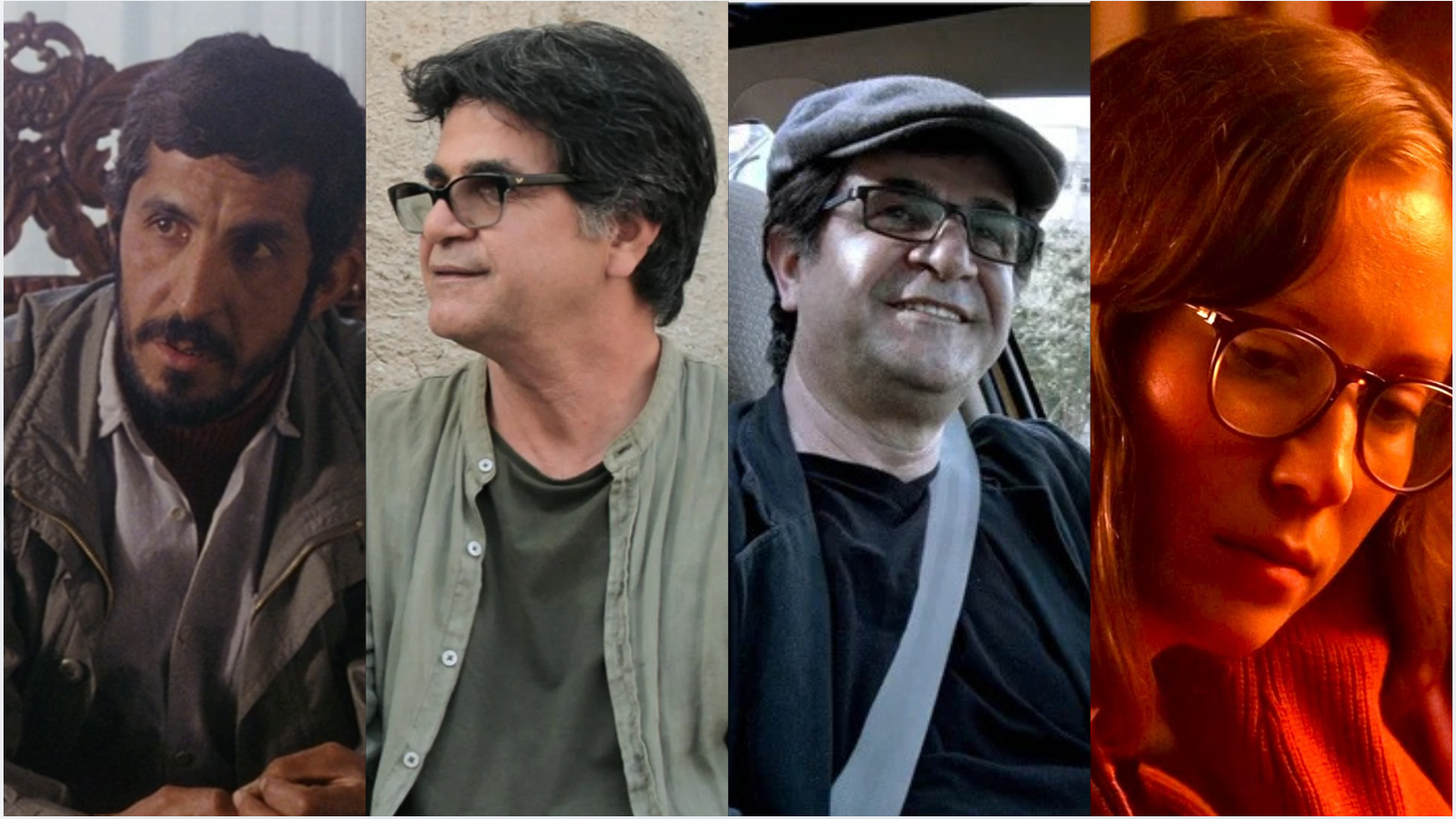
As the earliest post on this website, dear Abbas Kiarostami’s Close-Up might be the most inspiring artwork to me so far. Its semi-documentary core has been my favorite miracle of Iranian cinema—beyond its minimalistic features and etc.—and the film served not only as my debut in article writing, but also as the primary philosophical inspiration for my unreleased debut short film, Sollenism.
Then, out of the blue, I encountered my all-time top-4 favorite film: Jafar Panahi’s Taxi, despite having only modest expectations going in. At that moment, I realized that the stroke of genius in this art was somehow sparked by being forbidden from telling things fully—it was an act of turning the cons they were left with into permanent pros. As Zeki Demirkubuz noted regarding Kiarostami’s cinema: “In the end, the question of what I am forbidden from is what made him the prophet of modern cinema.” It made me reflect on Jean-Paul Sartre’s line, “Man is condemned to be free.”
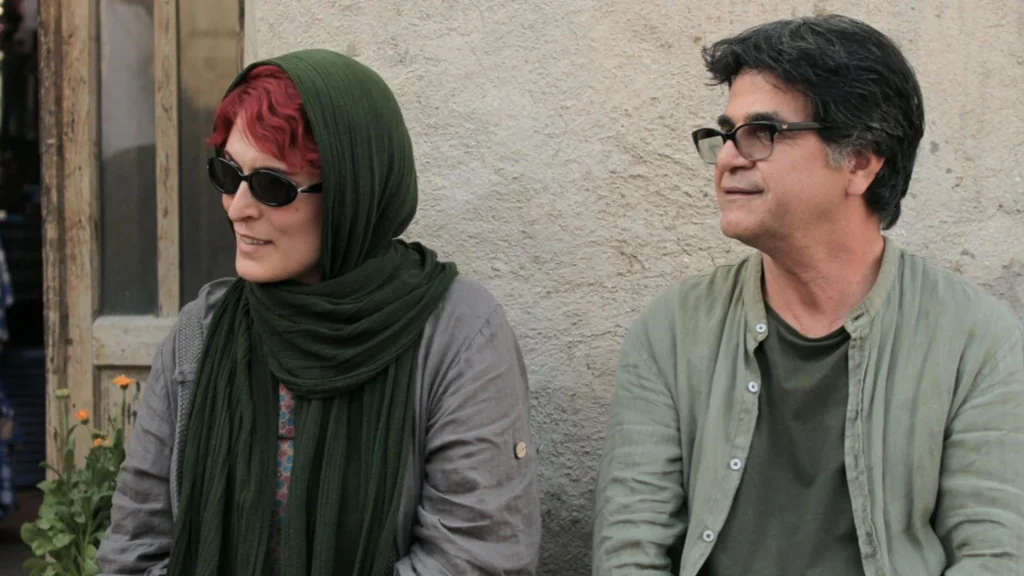
I was even more fascinated by another film of Panahi’s, Three Faces. The delicate, genius fiction behind its hyper-realistic acting and depictions proved so deeply moving that the sheer frequency of goosebumps made it visceral. If an artwork leaves side effects on both the mind and body of an audience—much like Gaspar Noé’s films do :)—in what world could it be considered bad?
By the way, you can read my articles on all three of these films on this website.
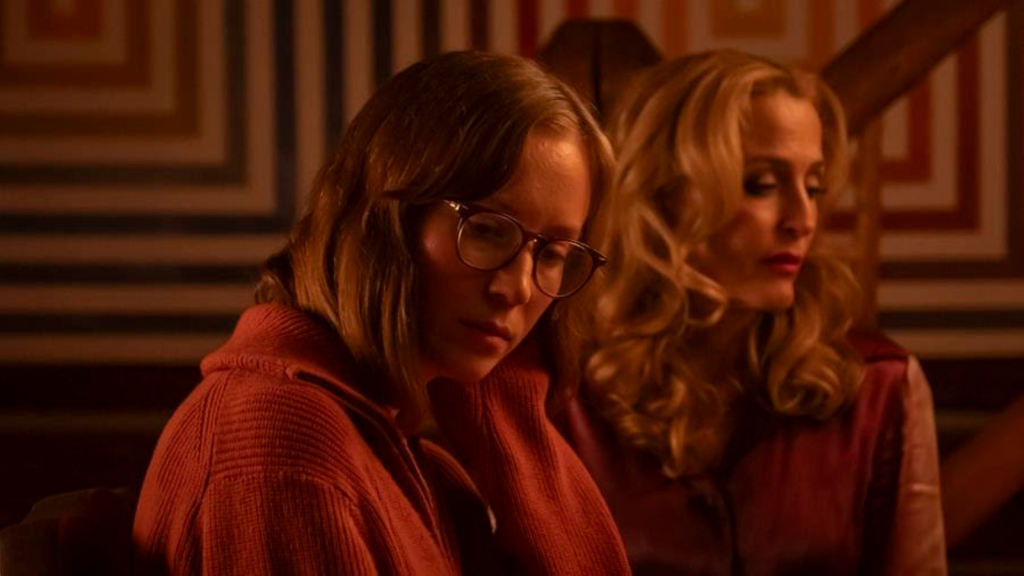
Finally, I want to mention my favorite film of the year so far, which differs from these mentioned Iranian works in nature, though it is endearing in a similar way: Teenage Sex and Death at Camp Miasma. The reason I resonated so strongly with its vibe—much like Obsession this year—was likely its attempt to dive into a profound depth reminiscent of Tarkovsky, all while functioning within the rules of our era. This bold Tarkovsky comparison is vivid in Obsession, where the idea of wishing is framed differently in certain respects, yet leads to the same conclusion—where money is desired in both, among other things. Teenage Sex and Death at Camp Miasma is the fruit of audacious, innovative, and self-conscious art.
This short essay serves as a prelude to an announcement I am very excited to share. Although I cannot share many details yet, rest assured that its connection to self-conscious art—designed to deeply interconnect with the audience—will be vital and distinct. Stay tuned for revolutions. Peace and love!
Sincerely yours,
—Furqan

Leave a Reply