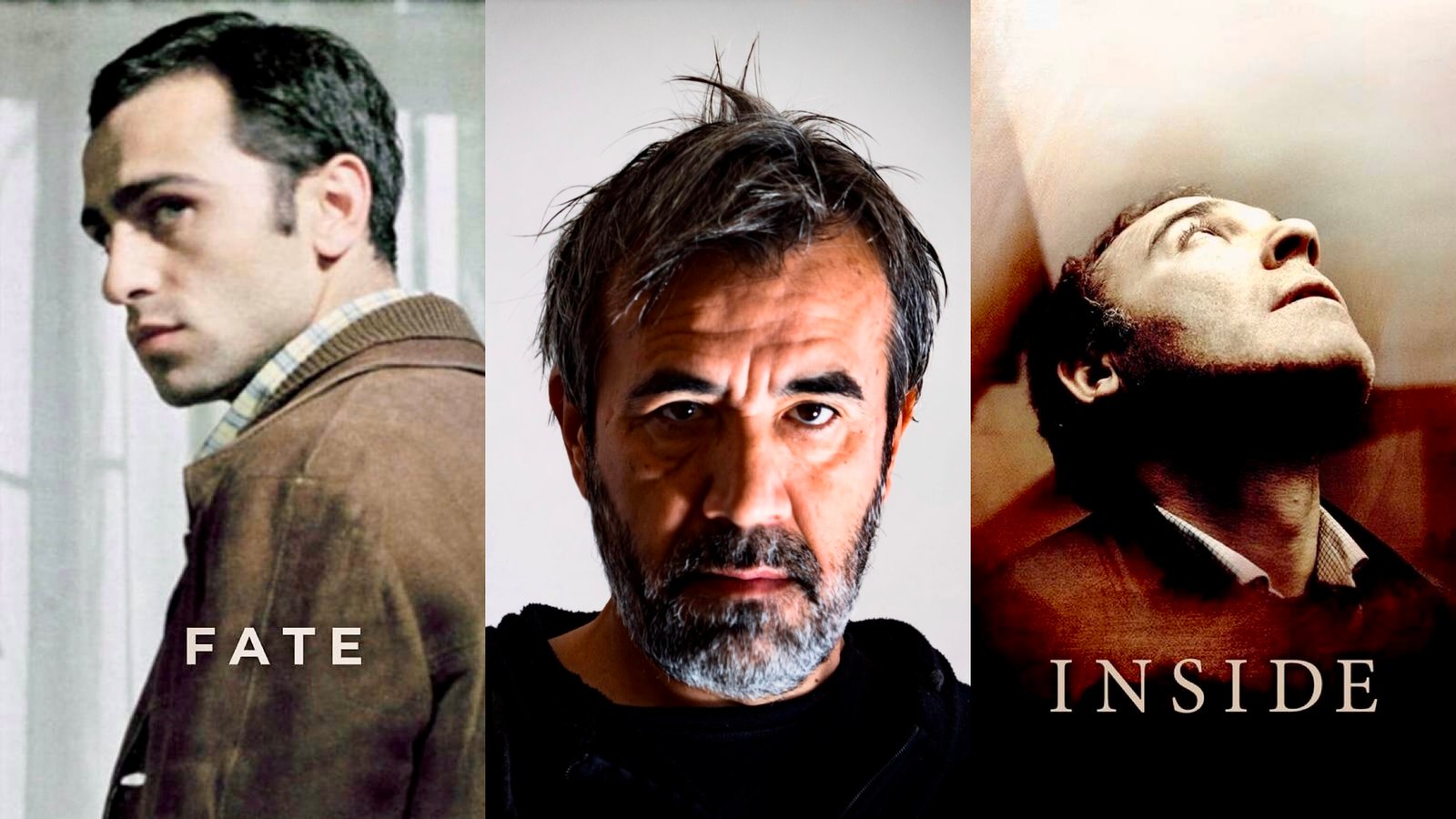
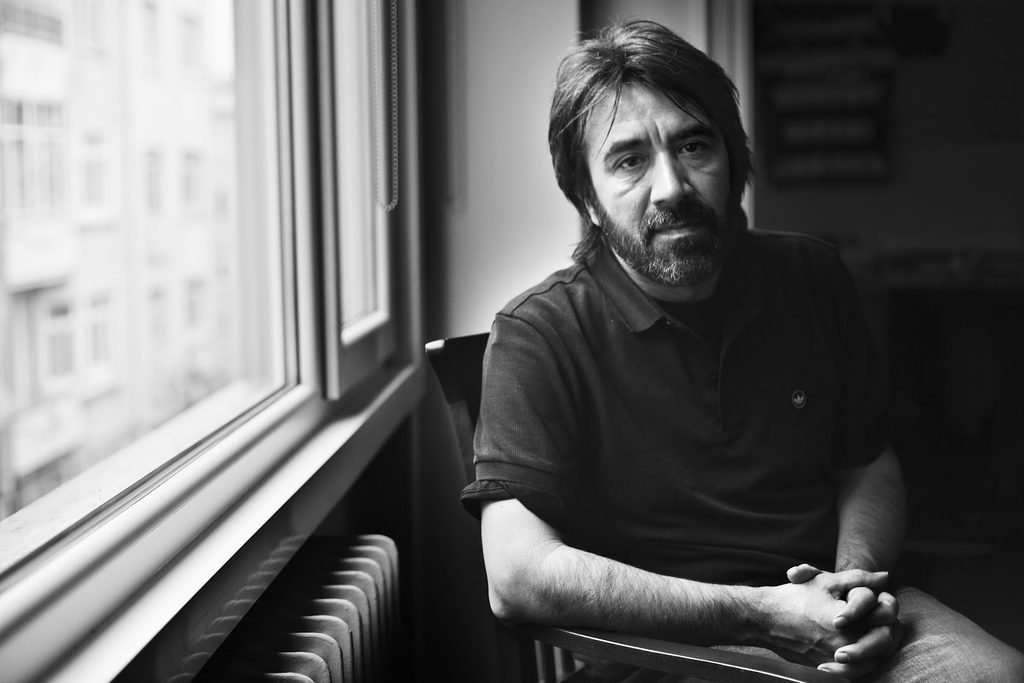
Sleepless nights… The burden of knowing insomnia has to stop… Yet the most creative, even happy moments exist beyond that soul-consuming consciousness. The fact that the best monologues—those that could be delivered in any play yet are never uttered publicly—happen in these hours haunts one sometimes more than anything else. Oh, how much dread it brings when one forgets even the happiness of those nights while praying for anything but a sleepless night… And by the way, how irritating that word sounds: ‘publicly’. Today, we are going to talk about a man who has expressed all the sad farce I have mentioned through his cinema, sometimes with the utmost delicacy: Ladies and Gentlemen, here is our ‘nihilist’ dervish, Zeki Demirkubuz.
To talk about Zeki Demirkubuz, attempting to grasp his personality first is vital. Arrested in 1980 at the age of 17 and imprisoned for three years, he discovered Dostoyevsky during his sentence—an experience he would credit as the primary influence shaping his future career. From my perspective, his life and art after such an experience are no different from the interconnection of happiness and madness that insomnia somehow inflicts upon a person. I do not try to sound wise by saying “from my perspective.” It is simply a medium through which I have caught both the similarities and “differences” between his works and his real life—a life he summarizes in his own words: “I don’t know why, but God has given me such a resistant heart that I cannot lose hope despite all my tendencies toward darkness and nihilism.” As a admirer of his entire filmography, the contrasting spectrums he describes are most evident in the films Yazgı (2001) and Yeraltı (2012). As you might expect, this is why I will examine our dear director through the parallel lens of these two films. So, let’s begin.
Being adaptations of Albert Camus’s The Stranger and Dostoyevsky’s Notes from Underground, respectively, Yazgı and Yeraltı are Zeki Demirkubuz’s most prominent films to me. This is due to their distinct choices of depiction—a sign of the director’s brilliant versatility—and their subtle, shared use of metaphors. First, Yazgı focuses on an office worker named Musa, whose life continues in the same routine regardless of what happens around him. In fact, we can call this monotony Musa’s own choice and his indifferent response to even the most extraordinary events. His attitude of “it doesn’t matter” becomes increasingly dictating and meaningful as the 113 minutes unfold. Subjectively, I reckon Yazgı could also have been inspired by Herman Melville’s Bartleby, the Scrivener, given that both works subtly prompt readers to ask themselves, “Why do I always make mountains out of molehills?” I will not dwell on this possible inspiration any further, as Mr. Zeki may not have even encountered the story.
On the other hand, Yeraltı depicts another officer named Muharrem, who is more engaged with life in theory, yet actually feels like even more of an outsider because he cannot find a stable baseline like Musa’s. Because Yeraltı serves as a self-portrait of himself—and of ourselves—with all our weaknesses and wrath, the film stands out as one of the highlights of the director’s career. (I did not say this regarding Yazgı, as its central theme was the protagonist’s honest departure from conventional societal rules.)
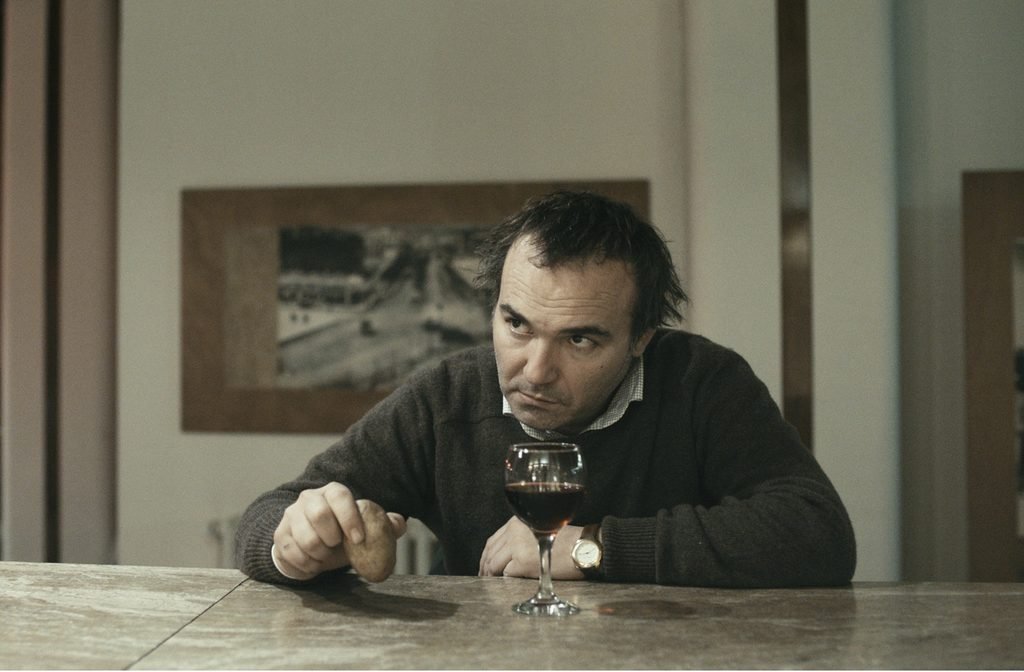
Additionally, its use of music, inner voice narration, and distinct aesthetic choices are genuine reasons to consider it Zeki Demirkubuz’s mastering nuance. Renowned Turkish actor Engin Günaydın’s performances in both Yeraltı and Yazgı are, above all, a subject worth discussing in film academies and philosophy classes. An actor with such mastery is a dream for many directors—a dream that often does not come true. It is Mr. Zeki’s great fortune to have been able to express his intentions so seamlessly with an actor of his caliber.
Now, let’s dive into a metaphorical use of an object present in scenes from both films: putting out a cigarette in a pan of food. While I cannot speak for other cultures, in Turkish culture, food and bread are considered sacred according to religious and moral ethics—something we would never disrespect or waste. For that reason, these signature scenes are highly powerful mediums for the audience to feel as devastated as the protagonist from the very first moments.

Reminding me of Lars von Trier’s famous quote, “A film should be like a stone in your shoe,” this thoughtful use of objects is my personal favorite aspect of cinema: wriggling oneself free from the world’s cursed manipulations and letting art serve a higher purpose.
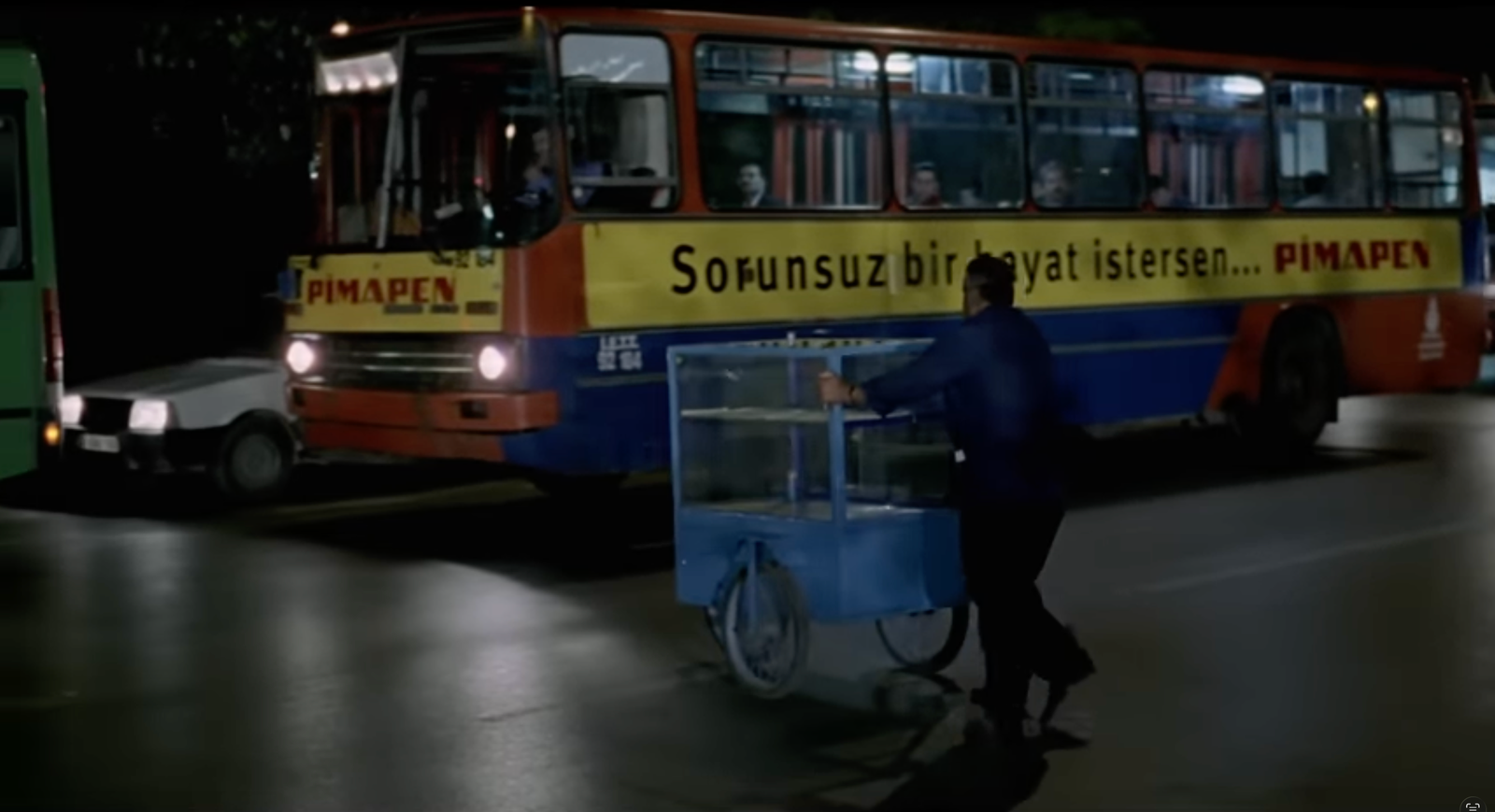
Finally, I want to emphasize one more directorial miracle at which I believe Zeki Demirkubuz excels: the use of roads and crowds to showcase the characters’ connection to life, humanity, and Türkiye. From his depiction of innocence involving a broke man and a blind girl in Istanbul’s most crowded area, Taksim, in Masumiyet (1997), to the gridlocked taxi traffic in İtiraf (2001), Mr. Zeki’s ability to capture images is more vivid than anything else. Last but not least, one of these real-life capture scenes is among my top three favorite scenes of all time. The scene I refer to is a likely spontaneous shot that occurs around the 12th minute of Yazgı. The scene begins with Musa crossing the road alongside a local tradesman pushing his cart. However, as a bus featuring an advertisement with the motto “If you want a life without any problem…” bumps into the salesman, the hyper-realism of the scene becomes profoundly imposing, which is the reason I admire it so much.
There are perhaps many things left to say… However, ‘Farketmez’, huh?
To dear Zeki Demirkubuz, who walks the line between the happiness and madness of insomnia… For those who never lose hope in the face of darkness and ‘nihilism’…
Sincerely yours,
—Furqan

Leave a Reply