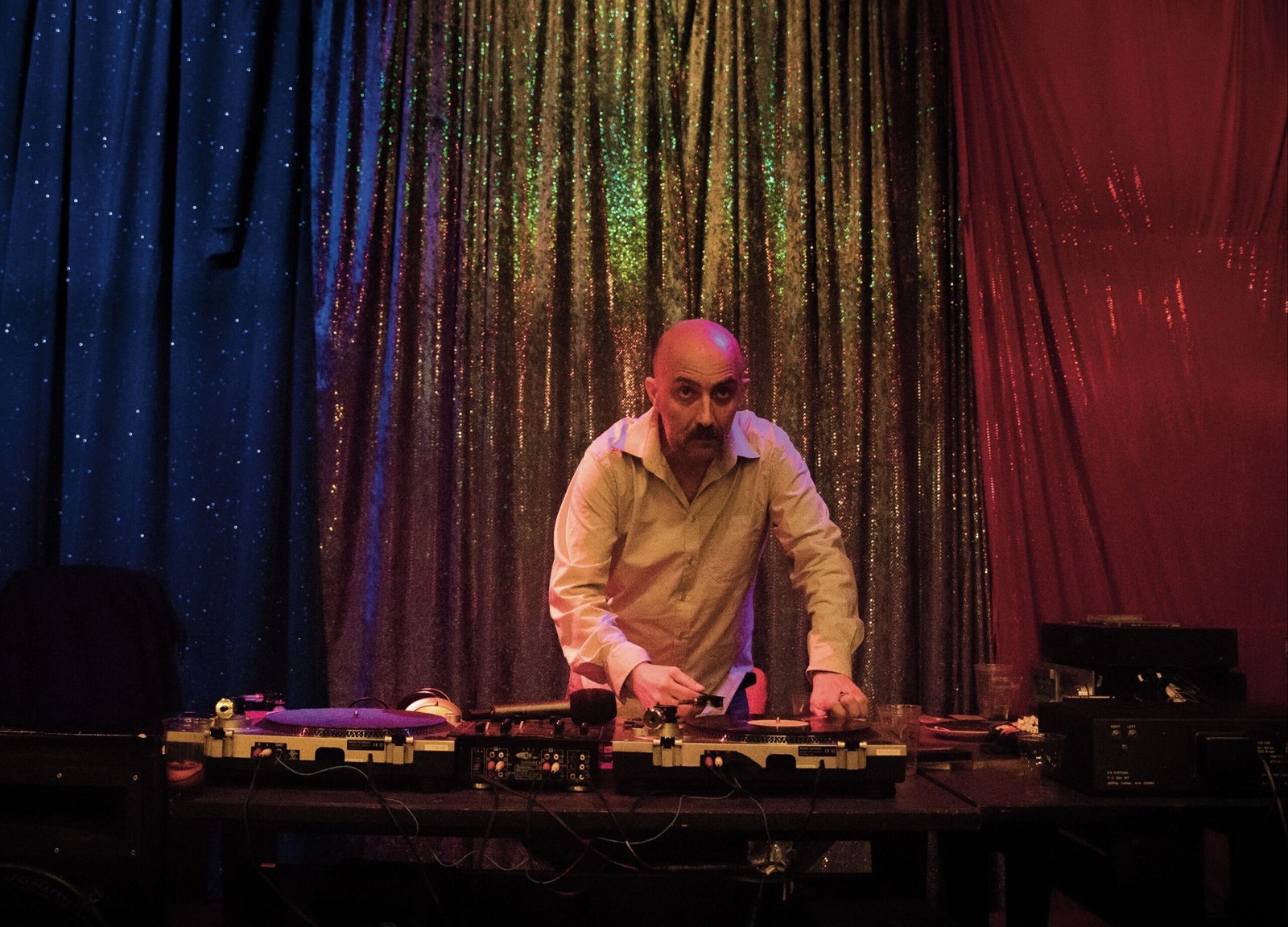
“You are what you do, not what you say you’ll do.”
I don’t know what this quote by Carl Gustav Jung means to any of you. However, having seen it on a random YouTube thumbnail regarding Andrei Tarkovsky, it immediately signified to me the direct connection between the essence of one’s art and oneself… I mean, since for an artist—at least personally for me—life without their art would probably mean nothing at all, they can identify themselves as the art they make… Either my interpretation of Jung’s quote or the “Artist’s Identification” hypothesis can also work in reverse. Today, however, I’m going to write about one artist whose work is open to, and actually interconnected with, himself: Ladies and gentlemen, here is Gaspar Noé himself…
To start with, I want to break down why I emphasize this interconnection so frequently… In fact, this absurdly idealistic “he is his art itself” concept occurs both in the background of his films’ production and within the films themselves. Let’s start with the production background: Gaspar Noé is the writer, director, editor, producer, and casting director for almost all of his films. Considering the way modern cinema is obligatorily dictated by countless forces to turn a profit—and to prevent anything that goes against that goal—Noé’s independence is nothing short of a miracle. On the other hand, his both vividly and subtly semi-autobiographical depictions, characters, and ideas drawn from real-life situations—for example, he confessed Vortex was inspired by the dementia his family members suffered from—are points that prove his art is not pretentious.
I bet this entire process of “making something out of nothing by myself” is, above all, what keeps him alive. And the hate his art receives from some is the ironic part of the happiness he gets while creating.
”You despised I Stand Alone. You hated Irréversible. You loathed Enter the Void. You cursed Love. Now try Climax…”
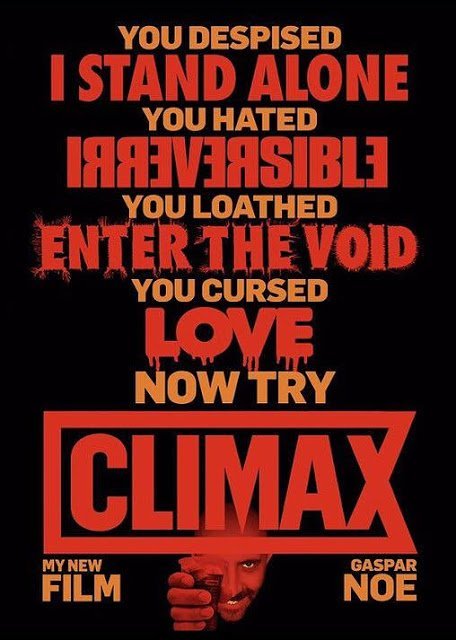
This is a kind of self-aware teasing he posted on Instagram in 2019. What is even more mind-blowing is that this position was ingeniously presented in his first feature film, I Stand Alone, where large title cards flash “ATTENTION” and tell you “YOU HAVE 30 SECONDS TO LEAVE THE SCREENING OF THIS FILM” before flashing the word “DANGER” in strobing colors… What happens after the warning is the egoistic, terrifying protagonist killing his daughter and himself in his mind, and then in reality actually hugging her to the melody of Pachelbel’s Canon and Gigue in D Major, which is one of the most heartwarming scenes ever made for me. The most insane part is the ending, where the protagonist says some aberrant things about his daughter right after that beautiful scene…
This stark reflection of “what and who can be real or actually exist somewhere for sure” without any hesitation is the primary reason people hate him. To be honest, I can’t find any subjective, logical reason to empathize with such contempt. Perhaps it is because I usually “suffer” from such contempt from those who do not understand what I’ve created… Perhaps even the backlash my hairstyle—which doesn’t have anything to do with art—got in my Gaspar Noé films ranking video is a cue to capture the triviality of the people we are obliged to live alongside… Perhaps this is the rationale behind Noé saying, “Six people walked out of Climax? No! I usually have 25%,” and not wishing for broader acceptance by rejecting “ART” itself…
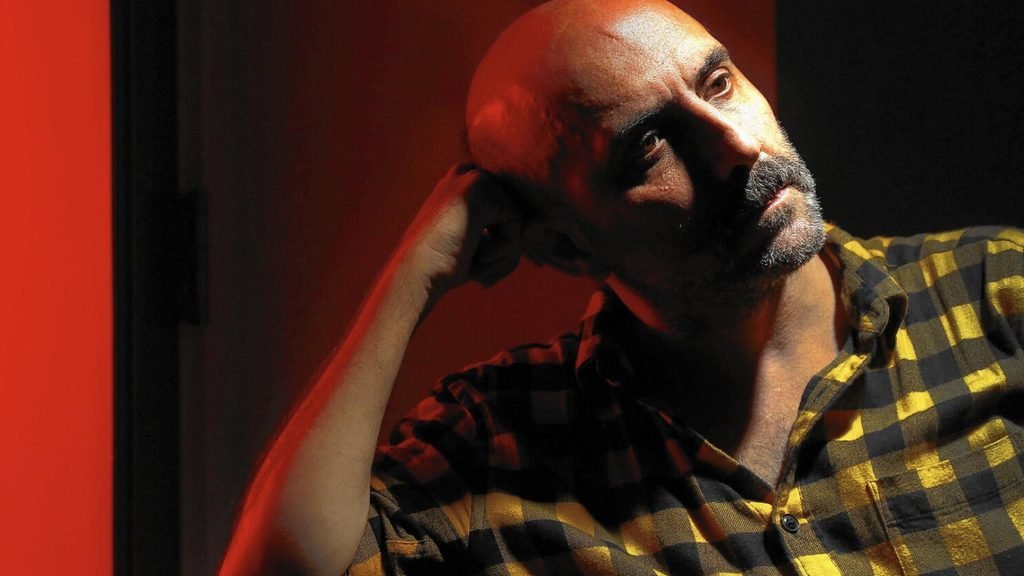
Now, let me wrap up my history with this lovely man: It started with Irréversible, and I was fascinated by the way the film worked, much like Gaspar felt about 2001: A Space Odyssey when he was 6. My admiration for Irréversible still continues, as I call it the movie that I would want to watch in theaters if I had one last chance… Then Climax came, and Noé’s famous Futura-Extrabold font turned out to be one of my favorite visual elements in cinema history… However, out of his 8 films, the most low-rated one, Love (2015), became not only my favorite entry in the director’s career, but also turned out to be one of the best of all time by every single element: screenplay, music, cinematography, acting, metaphors, sentimentality, etc…
It is hard to isolate one part of Love and call it the best; however, one of my favorite aspects throughout the film was Gaspar Noé’s insistence on presenting the protagonist as an extension of himself, writing his lines in the script like things he had said in his youth. Additionally, the extent of the existentialism he tried to express by naming the unwanted child Gaspar… haunted me so peacefully…
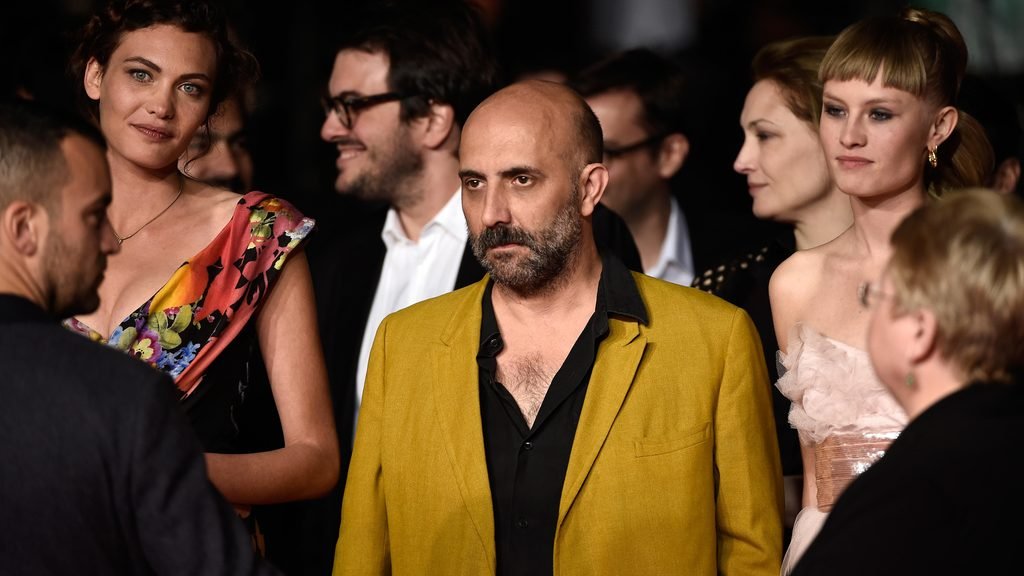
As you, my dear reader, may notice, this article might seem somewhat weak, vacuous, or purposeless. I am not going to deny it or write paragraphs defending it. Because… you know… unspoken feelings are unforgettable. I don’t know what to say. Le temps détruit tout…
To dear Gaspar Noé… I don’t know what to say. Time destroys everything…
Sincerely yours,
—Furqan

Leave a Reply