To My Dear Aunt Pakiza…
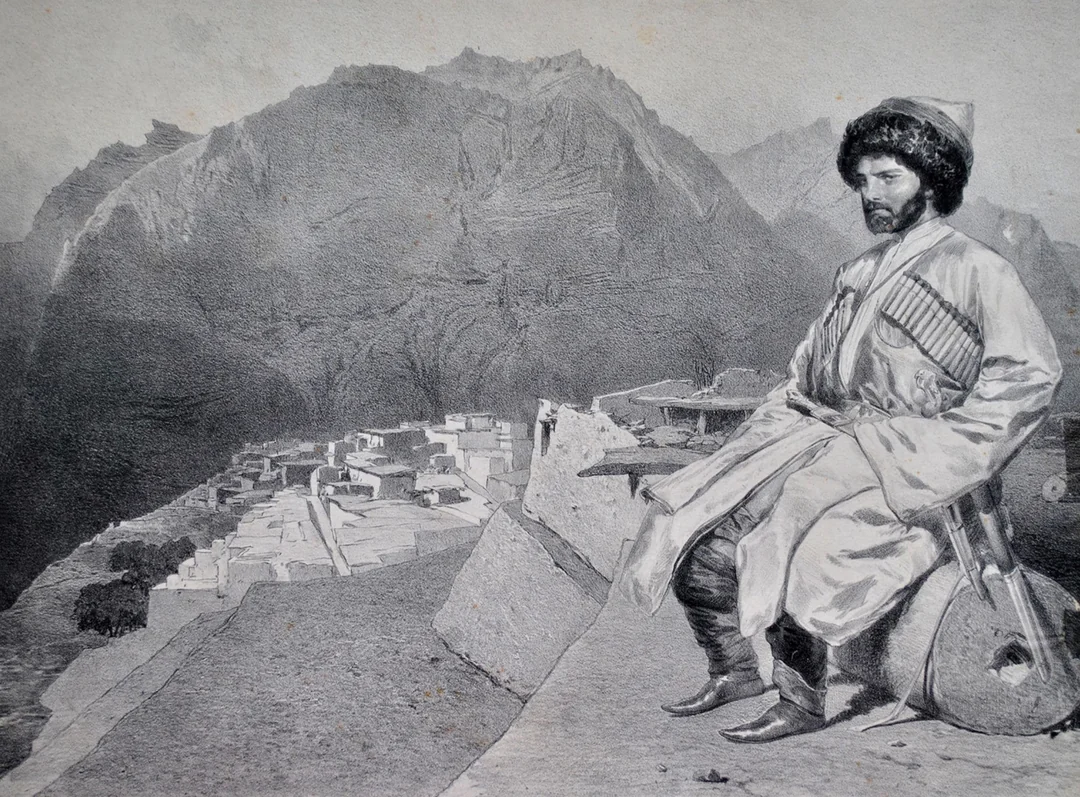
Wars fought merely for the sake of formality… Men who went to those “wars” for a day or less simply because they were commanded to… And finally, the misunderstood bullets passing through their relaxed heads and stiff hands holding family photographs… Indeed, how many history books narrate the ongoing, distracted hope felt by the families of those soldiers, rather than exaggerating a historical ruler’s fictionalized quotes and actions? Today, I am going to write about Leo Tolstoy’s story that focuses heavily on how the mess of ignored lives finally catches up to a man, shattering his head like greater burdock despite all his resistance: Ladies and gentlemen, here is Tolstoy’s Hadji Murat (1912).
The story begins at the point when Hadji Murat decides to surrender to the Russian Empire, following a rift between him and his commander, Imam Shamil, in 1851. While the outcome— the death of Hadji Murat— is known to the reader from the start, the steady flow of stark messages makes the ending deeply meaningful—much like other great works with known outcomes, such as Romeo and Juliet or Titanic, which never cause boredom as you experience them.
Before beginning, I would like to highlight that as this is my second book review in four months, calling it another Tolstoy work is both a semi-coincidence and a personal revelation. To be clear, the revelation I am referring to is my deep need—a kind of famine—for a wise lesson from a master in his wisest form. That is precisely why my sudden jump into Tolstoy’s late era, straight from his first three autobiographical novels (Childhood, Boyhood, Youth), turned out to be so beneficial. I mean the hope present at the end of Youth—a novel where Tolstoy’s wicked life was constantly going down the hill till the ending—continued through the late works I read, and it was such a special feeling that I cannot fully express it at this stage of my life. Allow me to conclude this section with a glacious quote from Andrei Tarkovsky: “Unspoken feelings are unforgettable.”
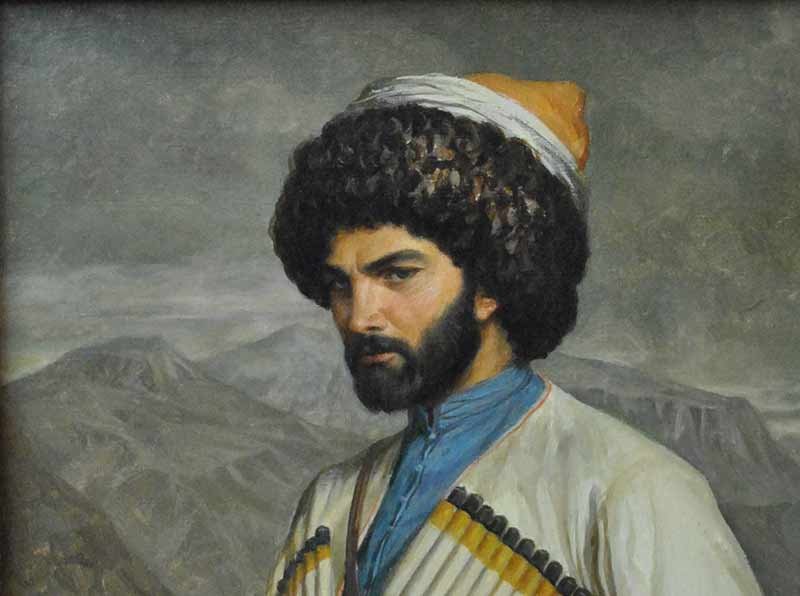
As someone who was previously unfamiliar with Hadji Murat and his era, I can assure anyone of the novella’s historical authenticity. As was also the case with Father Sergius, the year Hadji Murat was published further proves the author’s impartiality. Although the novella took eight years to finish (written between 1896 and 1904), it was only published in 1912, two years after Tolstoy’s death, due to severe government pushback against his unflattering portrait of Tsar Nicholas I. Additionally, the best thing this unbiased novella does is expose the genuine recklessness of many historic figures whom traditional history books portray quite differently: the blood feuds between brothers of the same nationality, or the whims of those who ruled the world’s largest empire. Their basic personalities and shifting agendas serve as a medium for demonstrating the striking similarities between historical figures and modern people—something you rarely encounter in standard history textbooks.
And, let me tell you one thing…The daunt direction of the empire I’m talking about is nothing you implicitly catch or whatsoever… In your presence, this is exactly what Tolstoy wrote:
“So, thanks to Nicholas’s ill temper, Hadji Murad remained in the Caucasus, and his circumstances were not changed as they might have been had Chernyshov presented his report at another time.”
This “chilling “sentence means that the fate of a human being—Hadji Murat—could have been completely different if the Emperor of Russia had simply slept better that night. Imagine that: a decision of vital consequence made by Nicholas I on just another ordinary day of his 30-year reign! I suppose the quiet dread we ought to feel as human beings cannot be captured better than Tolstoy has written it.
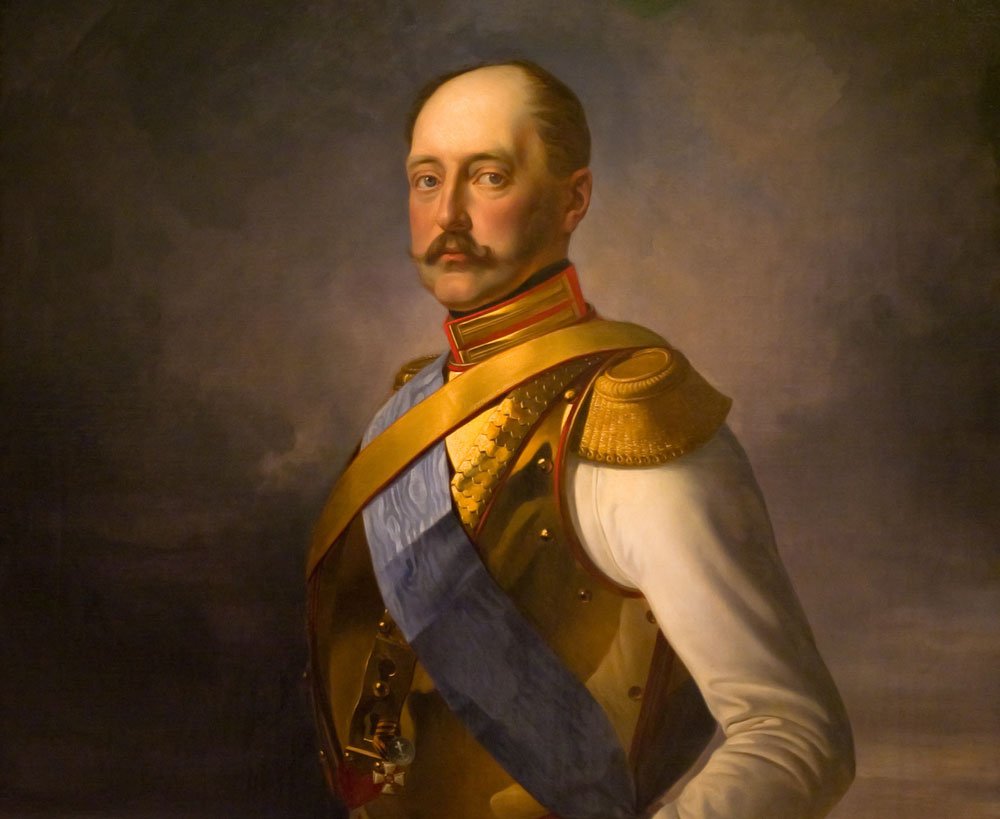
Portrait of Nicholas I
My favorite part of the novella comes right after Nicholas I’s mood-driven “decision”. The section begins with Captain named Joseph Butler leading an attack with Cossacks against a random village where once Hadji Murat had spent the night before defecting to the Russians. The narrate of process from attackers’ perspective starts with their vivid joy, and gets higher as time goes on, as they burn out each house around and even burn inhabitants’ chickens while eating and drinking…
“Butler felt buoyant, calm, and joyful. War presented itself to him as consisting only in his exposing himself to danger and to possible death, thereby gaining rewards and the respect of his comrades here, as well as of his friends in Russia. Strange to say, his imagination never pictured the other aspect of war: the death and wounds of 90 Hadji Murad soldiers, officers, and mountaineers.”
…
Again, there is nothing I can add to Tolstoy’s writing, except to also share his description of the villagers’ grief and perspective in his own empathetic words:
“The inhabitants of the village were confronted by the choice of remaining there and restoring with frightful effort what had been produced with such labor and had been so lightly and senselessly destroyed, facing every moment the possibility of a repetition of what had happened.”
In conclusion, I want to share my requiem for dear Leo Tolstoy. To my idol: thank you for bringing us such a deeply perceptive depiction of a man from my nation. Thank you for attempting to express the basic, delicate, yet complex core of humanity by choosing that beloved figure as a catalyst—a man whose journey to death began in my hometown of Sheki. As you can see, dear Leo, I have not even focused solely on the man himself, as I believe you chose him to reflect all of us: all the greater burdocks, all the human beings who come and go from this life so fragilely. Thank you for making your final work something like this.
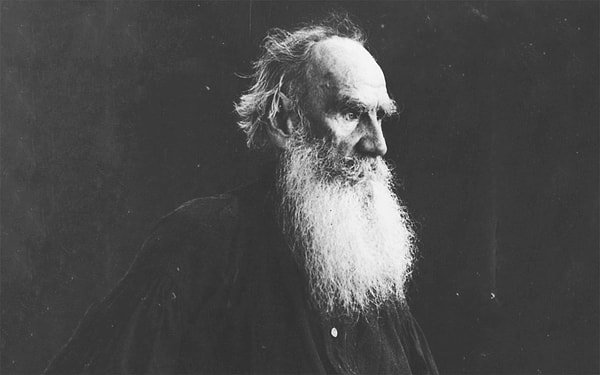
Dear Idol… love from all of us who have accepted being whipped over 12,000 times because the death sentence is not allowed here… You know what I mean. May God bless you… Peace and love!
Sincerely yours,
—Furqan

Leave a Reply