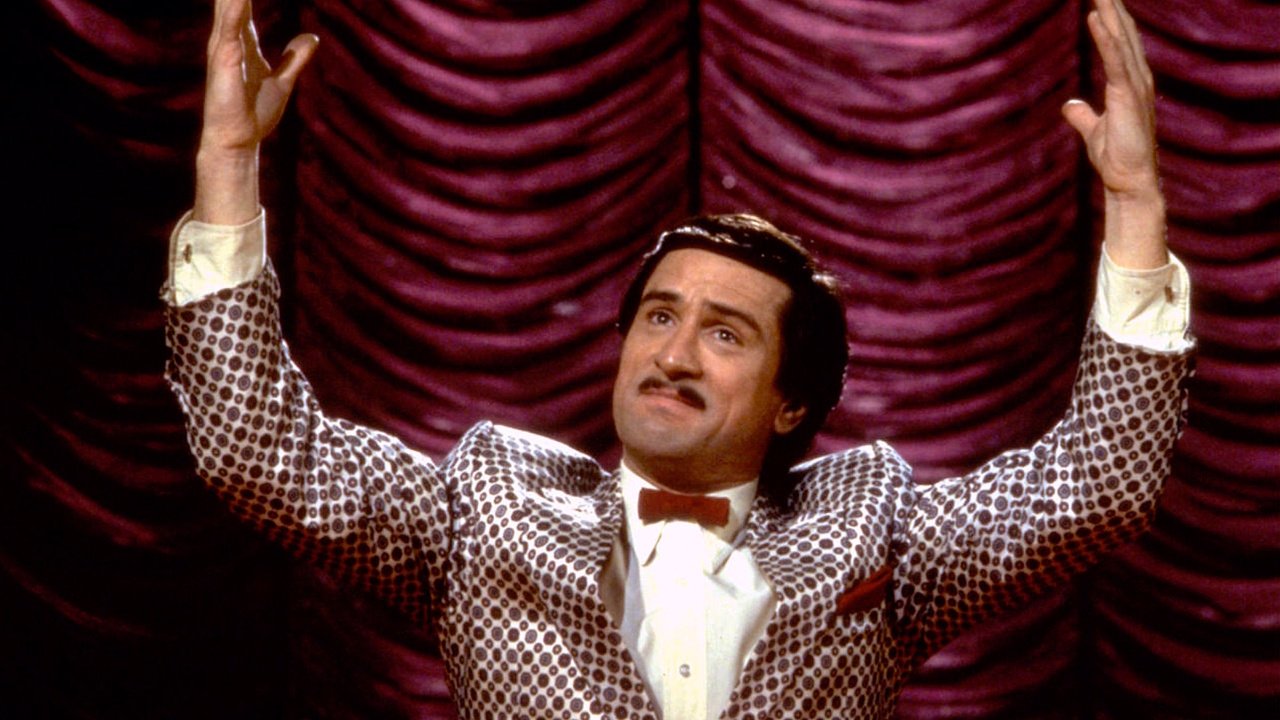
I wonder who invented billboards… Who invented those things that penetrate our minds? Who lies beneath such an invention, which deeply affects everything around it? It is certain that whatever I try to express in these sentences will not be enough to capture what I mean when I say “billboards.” To be or not to be… literally or metaphorically. To be honest, I don’t know whether any of you will fully catch what I mean. However, this opening is devoted to a man who completely inspired it: Martin Scorsese. Today, I am going to talk about the “Current God of Cinema”—as Jafar Panahi calls him— and his peer, Robert De Niro, focusing on two joint masterpieces that have astonished me more than almost anything else. Here is how Taxi Driver evolved into The King of Comedy.
First of all, I want to emphasize that Martin Scorsese views The King of Comedy (1982) as a thematic evolution and a stylistic reset following Taxi Driver (1976), despite its role as a spiritual successor. The artistic integrity in both works—where both serve as direct critiques of the hidden societal forces that shape our world—is a major reflection of the creators’ vision and versatility. Doubtlessly, Martin Scorsese is the primary mind behind both of these works. It is no coincidence that one of the most prominent directors of all time, who has been creating magic for over 50 years, possesses such immense wisdom. That wisdom is the reason I felt compelled to write this article using such an experimental beginning.
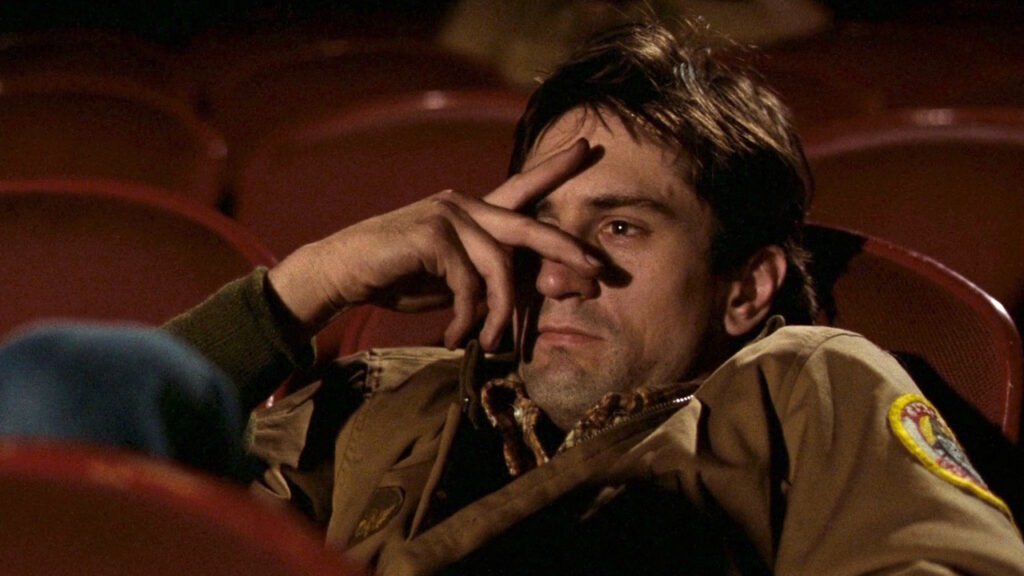
Bearing in mind that The King of Comedy is on my list of top four favorite films of all time, and Taxi Driver is the kind of movie we could discuss for hours, this article may feel weak compared to my admiration for them. I will likely cover only few key points of these enormous works, but I hope you enjoy my reflections nonetheless.
To begin analyzing the films, let me highlight their primary shared motif: billboards. Yes, the billboards of New York—the “Big Apple” of the modern world, where millions are sinking every day by “bilboards”. Rather than hiding his message behind subtle cues, Martin Scorsese simply chose the most popular, crowded, and unforgiving city in the world—a place that acts like nature itself, operating on a principle of natural selection.
In Taxi Driver, Travis—a 26-year-old Vietnam War veteran who works long night shifts as a cab driver to cope with insomnia—sees billboards for presidential candidate Charles Palantine everywhere he goes. Travis falls for a woman who works at Palantine’s campaign office. Later, he randomly encounters Palantine in his cab and even offers him advice as a thoughtful, working-class citizen. However, their stories converge at a deeply unsettling point. After feeling rejected and bruised by every aspect of society, Travis’s ultimate act of rebellion becomes trying to assassinate Palantine—the very figure whose image had been constantly forced into Travis’s mind as he drove through the city.
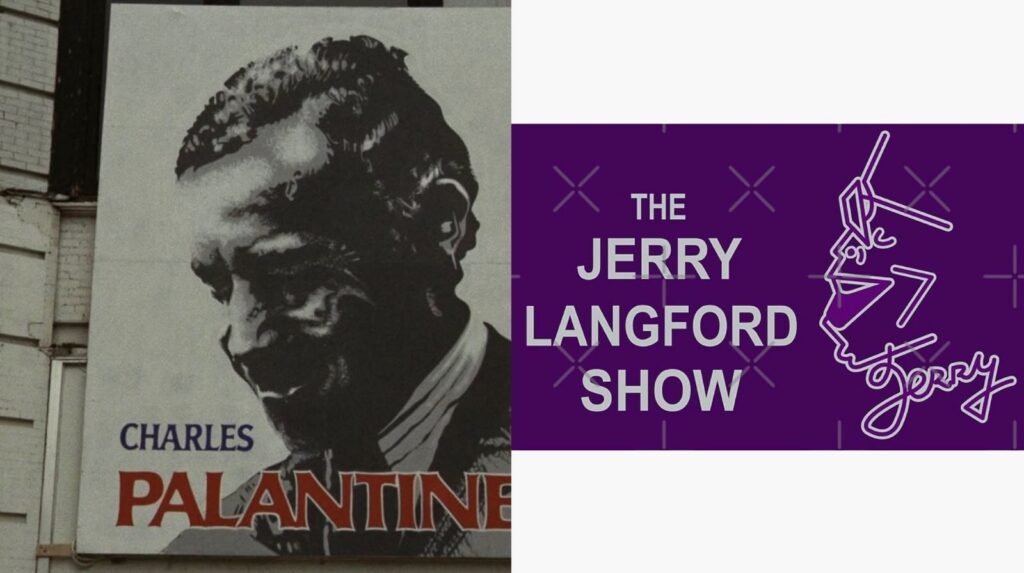
The same concept applies to The King of Comedy. Rupert Pupkin—a 36-year-old unemployed man who desperately wants to be a stand-up comedian—tries to break into the world of mainstream television through The Jerry Langford Show. Scorsese deliberately displays the show’s iconic logo over and over again throughout the film’s 109-minute runtime. From my perspective, because we as the audience are constantly exposed to these figures and “billboards,” the protagonist’s unhinged actions eventually begin to feel understandable or even justified to us. As I often say, many of us—including myself—naturally tend to empathize with protagonists and project ourselves onto them. Manipulating the audience—for artistic purposes, of course—through subtle psychological tactics in addition to that inherited natural tendation is what truly defines a masterpiece. This explains why we feel such intense empathy both for Travis’s assassination attempt and for Rupert Pupkin’s decision to kidnap his idol.
Interestingly, if you search for the biggest points of connection between these two films, the image you will likely bump into is a collection of Joker (2019) PNGs rather than photos of Martin Scorsese and Robert De Niro. Even a quick search like that speaks volumes about the legacy of these two movies, which were released just six years apart.
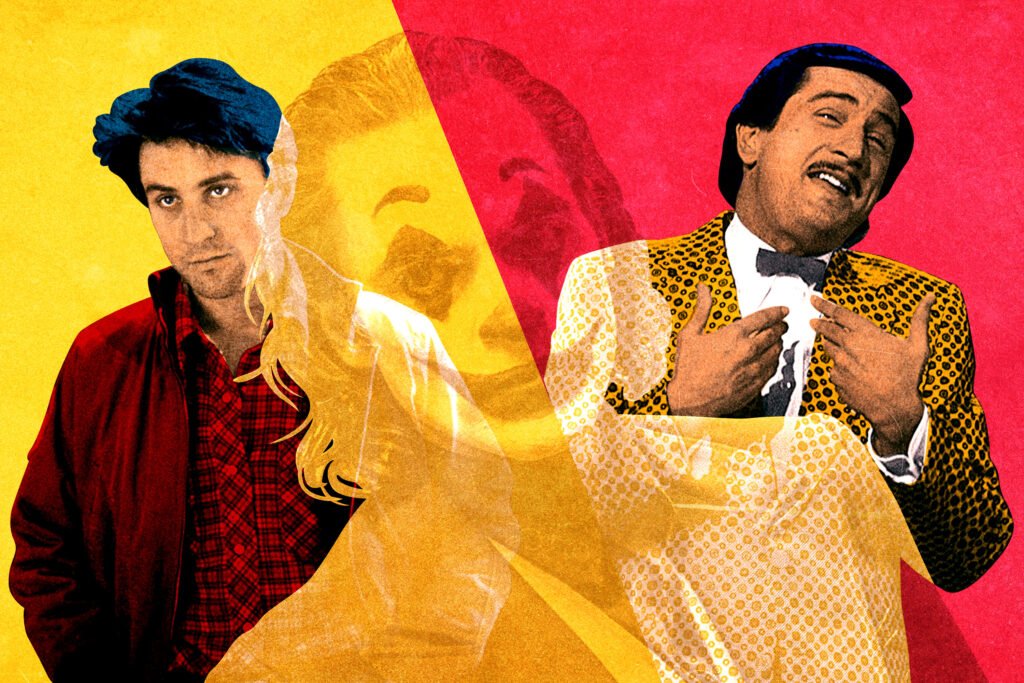
The way a new character in contemporary mainstream culture integrates with films that are over forty years old brings to mind Karl Marx’s famous quote:
“History repeats itself, first as a tragedy, second as a farce.”
Furthermore, casting Robert De Niro as the late-night talk show host—the very figure whom the Joker kills despite having previously idolized him—is, in my view, one of the greatest artistic choices of all time.
Lastly, a crucial nuance lies in their ironically “happy” endings. You can interpret Scorsese’s and the writers’ choices however you like, but these endings are framed as victories, serving as a strange form of motivation for us as viewers. At least, that is one of the many interpretations I have arrived at while reflecting on what art is truly about. Scorsese’s collaboration with Robert De Niro might seem like a frequently discussed topic, but when I recall De Niro’s mogging lip movements in Mean Streets, his dramatic physical condition in epilogue of Raging Bull, or his mischievous yet troubled smile in the final scene of The King of Comedy, I remind myself that this is what true art looks like. Perhaps it is just creating for the sake of creation. Perhaps it is about fully using the potential given to us by our Creator. What if art didn’t exist, and the expressive eyes of an inherently talented actor like Robert De Niro had never inspired anyone?
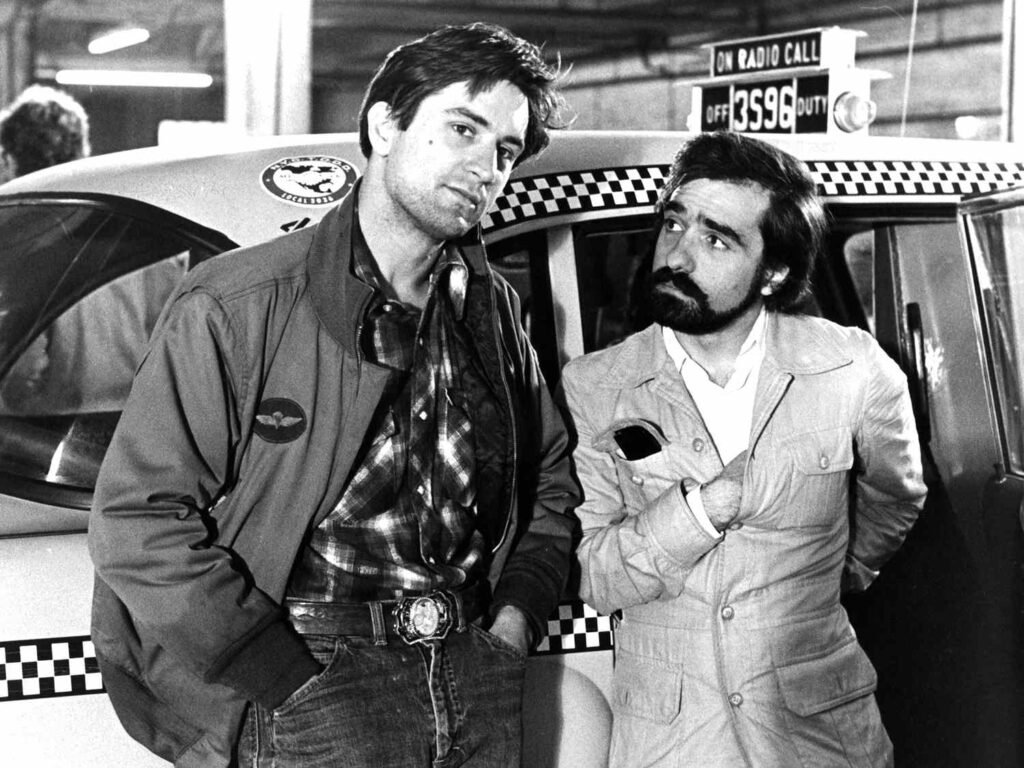
To the men who used the power that everyone needed: to Martin Scorsese and Robert De Niro, from an inspired fan.
Sincerely yours,
—Furqan


Leave a Reply